
Anime Reviews
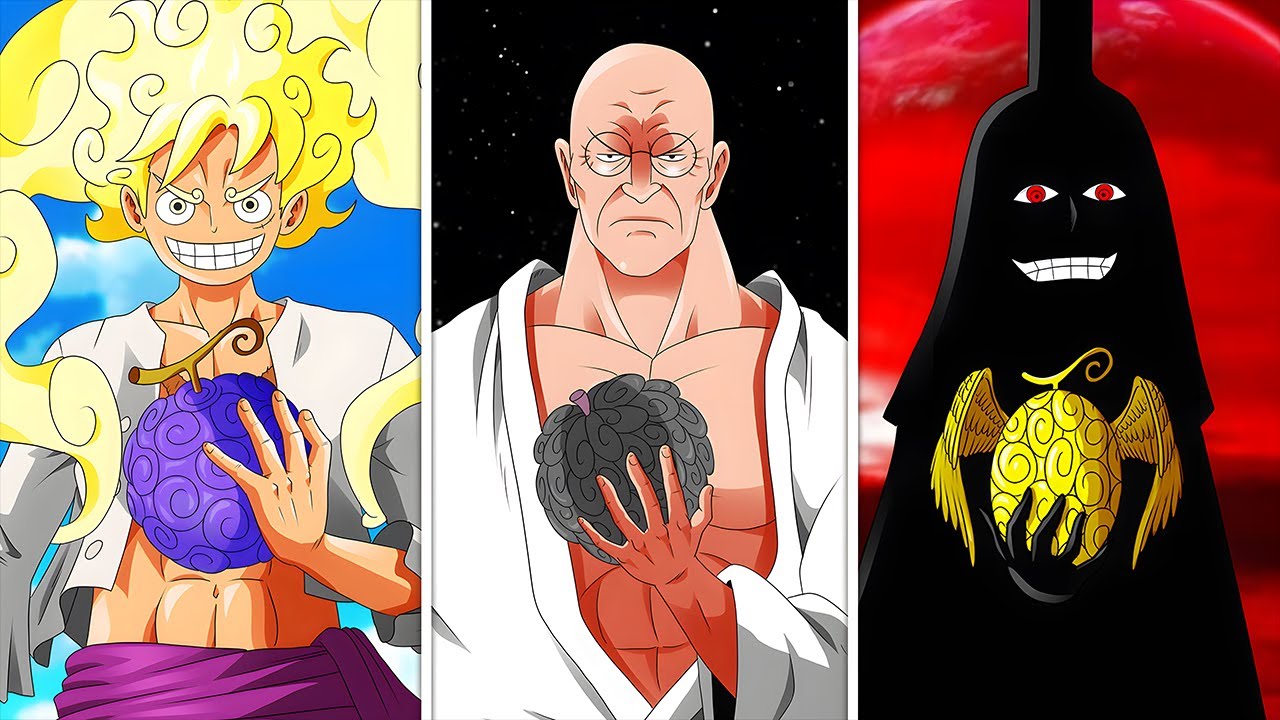
Strongest Devil Fruits user in One Piece
Dokudoku no Mi (Magellan)
Magellan, the fearsome warden of Impel Down, wields the Dokudoku no Mi. This paramecia-type Devil Fruit grants him control over poison. While he can’t transform into poison like a logia user, he can create and manipulate it, showcasing its potency in battle. Magellan’s creative use of this power, from forming poison shields to crafting monstrous poison creatures, made him a force to be reckoned with.
Morimori no Mi (Greenbull )
Admiral Greenbull consumed the Morimori no Mi, a logia-type Devil Fruit that grants control over flora. Unlike other logias, Greenville becomes a solid element. This power, used primarily for restraint, includes capturing enemies with underground root tentacles. A weakness to fire exists, but its potential is vast, even allowing the user to become fireproof with sufficient mastery.
Mera Mera no Mi (Sabo)
Sabo obtained the Mera Mera no Mi, a logia-type Devil Fruit controlling fire. This fruit lets the user summon and manipulate fire to deliver devastating blows. However, it’s susceptible to counter logias like ice and smoke. Its power lies in fiery offense, culminating in iconic moves like Ace’s fire fist attack, enhancing physical strikes with flames.
Hobie Hobie no Mi (Sugar)
Sugar possesses the Hobie Hobie no Mi, a paramecia-type fruit enabling the transformation of people into toys. This power extends to erasing memories of the transformed’s existence, effectively enslaving them. Despite its might, it has weaknesses such as unconsciousness canceling the effects and exploitable contract loopholes.
Zushi Zushi no Mi (Fujitora)
Admiral Fujitora wields the Zushi Zushi no Mi, a paramecia-type that controls gravity. The user can manipulate the gravitational pull on objects, even pulling down meteors from space. However, foes strong enough to resist gravity can mitigate its effects.
Gorogoro no Mi (Enel)
Enel’s Gorogoro no Mi is a logia-type fruit controlling lightning. With intangibility and lightning speed, Enel is nearly invincible. Notably, he can restart his own heart with lightning, but his attacks are countered by rubber and potentially Haki.
Nikyu Nikyu no Mi (Kuma)
Bartholomew Kuma’s Nikyu Nikyu no Mi is a paramecia-type allowing him to push and store objects in bubbles. This fruit’s defensive and offensive applications, from deflecting attacks to launching shockwave assaults, are formidable. However, the user’s hands must be free to activate the power.
Pika Pika no Mi (Kizaru)
The Pika Pika no Mi eaten by Admiral Kizaru grants logia control over light. Light-speed attacks and blinding assaults make it incredibly potent. It can only be nullified by strong Haki, leaving it unmatched in speed and precision.
Hie Hie no Mi (Aokiji)
Aokiji’s Hie Hie no Mi is a logia-type that controls ice. With unparalleled freezing power, Aokiji can reshape battlefields and contend with powerful foes. Its strength lies in offense and strategic use, proving formidable even against giants.
Tori Tori no Mi, Model: Phoenix (Marco)
Marco’s Tori Tori no Mi, Model: Phoenix, is a mythical zoan-type fruit allowing him to become a phoenix. His regenerative blue flames grant incredible healing, making him a resilient combatant. While not truly immortal, his powers are impressive.
Soru Soru no Mi (Big Mom)
Big Mom’s Soru Soru no Mi is a paramecia-type that controls souls. With the power to manipulate souls and create homies, this fruit is exceptionally versatile. However, it’s subject to the fear of the user and can be resisted with the absence of fear.
Hito Hito no Mi, Model: Daibutsu (Sengoku)
Sengoku’s Hito Hito no Mi, Model: Daibutsu, is a mythical zoan-type that transforms him into a giant Buddha. A powerhouse in combat, it allows him to engage formidable opponents. His strength in this form is overwhelming.
Gura Gura no Mi (Whitebeard/Blackbeard)
The Gura Gura no Mi is a paramecia-type Devil Fruit with seismic powers, originally wielded by Whitebeard and later by Blackbeard. Capable of causing earthquakes and reshaping the world, it is regarded as one of the most destructive abilities.
Yami Yami no Mi (Blackbeard)
Blackbeard’s Yami Yami no Mi is a logia-type Devil Fruit granting control over darkness. Its unique ability to nullify Devil Fruit powers upon touch sets it apart. The power of darkness can absorb attacks and unleash devastating force.
Ope Ope no Mi (Law)
Law’s Ope Ope no Mi is a paramecia-type fruit granting control over spatial manipulation. The ability to create rooms and modify matter within them grants unparalleled surgical precision in battle. This fruit’s ultimate ability, offering eternal youth at the cost of the user’s life, is unprecedented.
Bonus Entries
The Goddo Goddo no Mi and Emu’s Devil Fruit:
The Goddo Goddo no Mi and Emu’s mysterious Devil Fruit are speculated to hold extraordinary power. The Elders’ transformation into animalistic creatures and Emu’s monstrous form are intriguing, leaving these fruits among the strongest in the series.
Hido Hido no Mi Model Nika (Hypothetical):
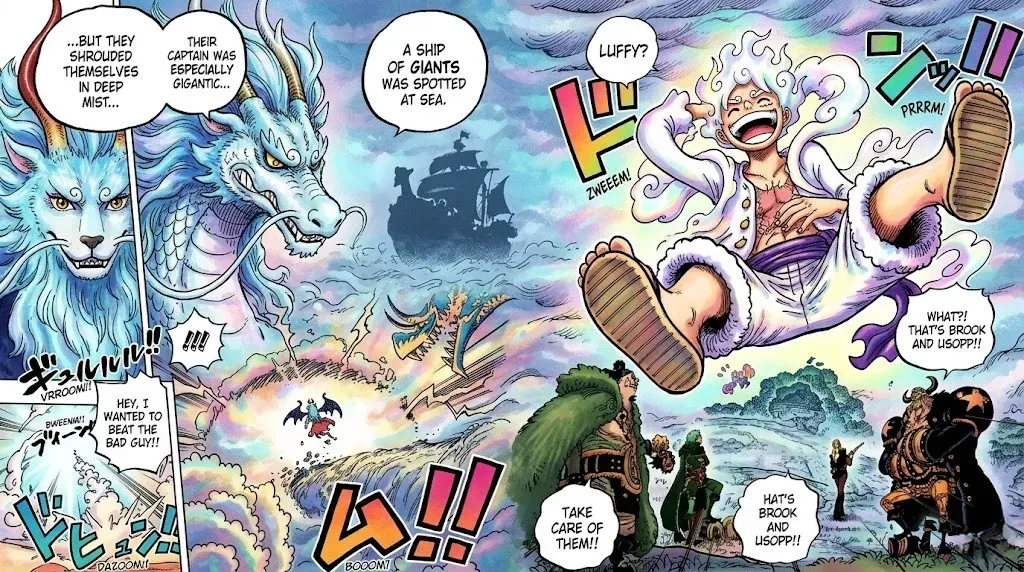
The mythical zoan-type Hido Hido no Mi Model Nika is rumored to be the most powerful Devil Fruit in One Piece. With the ability to transform into a sun god and manipulate rubber-like properties, it defies conventional categorization. Although largely hypothetical, this fruit is speculated to have immense capabilities, shaping the very course of history.
Conclusion
The world of One Piece is adorned with an array of formidable Devil Fruits, each granting its user extraordinary power. From the deadly and versatile to the mysterious and potentially world-altering, these fruits have ignited battles and shaped destinies. As the quest for power continues, the allure of these fruits remains a central theme in the epic tale of pirates and dreams.
Anime recommendations
Dandadan Season 3: 2027 Release – Disappointing?
Dandadan Season 3: A Lengthy Wait Until 2027
The announcement of Dandadan Season 3 has been met with mixed reactions, primarily due to its scheduled release date in 2027. While confirmation of the season’s production is welcome news, the extended timeframe between seasons has left many fans expressing disappointment. This delay prompts consideration of factors influencing anime production schedules and the potential reasons behind such a substantial gap.
Understanding Anime Production Timelines
Anime production is a complex process, involving numerous stages from pre-production to post-production. Each phase requires significant time and resources. Pre-production includes scriptwriting, character design, storyboarding, and securing funding. Animation production itself is labor-intensive, demanding the skills of animators, colorists, and background artists. Post-production encompasses editing, voice acting, sound design, and music composition. All these elements contribute to the overall timeline.
Several factors can further influence the duration of production. These include:
- Source Material Availability: Adaptations rely heavily on the source material. If the manga is still ongoing, the anime production might need to wait for sufficient content to adapt, preventing divergence from the original storyline.
- Studio Capacity: Production studios often have multiple projects in development concurrently. The studio’s capacity and the prioritization of projects can impact the schedule of a particular series.
- Creative Vision: Achieving the desired level of visual quality and storytelling depth can require more time. A commitment to excellence may necessitate a more deliberate and extended production schedule.
- Funding and Investment: Adequate financial backing is crucial. Delays in securing funding or unexpected budget constraints can push back the release date.
Potential Reasons for the Dandadan Delay
While the specific reasons for the 2027 release date of Dandadan Season 3 remain undisclosed, some possibilities can be considered. The source manga may require further development to provide ample material for adaptation. The production studio could be managing a heavy workload with other high-profile projects. Ensuring a high level of animation quality and remaining faithful to the source material might necessitate a more extended production timeline.
Another contributing factor might involve securing the necessary talent and resources. Coordinating voice actors, animators, and other key personnel can be challenging, and delays in any area can affect the overall schedule. Contractual negotiations and rights clearances can also add to the complexity and potentially extend the production timeline.
The Impact on the Fandom
The announcement of a distant release date naturally evokes mixed emotions within the fan community. While excitement for the continuation of the story persists, the extended wait can lead to frustration and impatience. Fans may express their feelings through online forums, social media, and fan communities, sharing their anticipation and hoping for updates during the intervening years.
The delay also provides an opportunity for fans to revisit the previous seasons, engage with the manga, and explore fan-created content. This continued engagement can help maintain interest and excitement leading up to the release of Season 3. The anticipation might also increase as the release date draws nearer, potentially generating even more buzz and excitement for the new season.
Looking Ahead
Despite the long wait, the confirmation of Dandadan Season 3 is positive news. Fans can anticipate a continuation of the captivating story and engaging characters. In the meantime, staying informed about production updates and engaging with the broader Dandadan community can help ease the wait. The extended timeline underscores the complexities of anime production and the dedication required to deliver high-quality content.
Anime recommendations
One Piece Deaths: 10 Characters at Risk in 2026
Predicting Character Fates: Mortality in One Piece’s Final Saga
The One Piece narrative, nearing its culmination, has reached a point where significant character developments, including potential deaths, are becoming increasingly plausible. As the story advances towards its final saga, speculating which characters face the highest likelihood of meeting their end adds an element of suspense and anticipation for the series’ dedicated fanbase. This analysis considers narrative roles, established character arcs, and the overall trajectory of the storyline to assess potential candidates.
Key Factors Influencing Character Mortality
Several factors contribute to the likelihood of a character’s demise in a story as complex as One Piece. These include:
- Narrative Significance: Characters whose deaths would significantly impact the plot or character development of others are prime candidates.
- Fulfilled Purpose: Characters who have largely completed their individual arcs and served their role in the broader narrative might be nearing their end.
- Increased Risk Exposure: Characters consistently placed in situations of extreme danger face a higher probability of not surviving.
- Thematic Resonance: Deaths that reinforce the core themes of the story, such as freedom, sacrifice, and the pursuit of dreams, are more likely to occur.
Potential Candidates Facing Mortality
Identifying specific characters with a high probability of death is subjective. However, certain figures present compelling cases based on the established criteria.
Characters Protecting Others
Characters known for their unwavering loyalty and willingness to sacrifice themselves for the greater good, or for the sake of their comrades, are always at high risk. These characters often embody selflessness, and their demise would serve as a powerful emotional catalyst for other characters.
Characters at the Center of Conflicts
Characters deeply embroiled in the central conflicts of the final saga, particularly those opposing formidable adversaries, also face substantial danger. Their involvement places them directly in harm’s way, increasing their vulnerability.
Characters Burdened by Prophecy
Characters connected to prophecies or significant historical events are also susceptible to tragic fates. Their roles in fulfilling or defying destiny often come at a great personal cost.
Analyzing Character Vulnerabilities
The series presents numerous characters with vulnerabilities that could make them potential candidates. It’s important to note that this is speculative, and the author may choose to subvert expectations. However, analyzing these vulnerabilities helps to understand potential narrative outcomes.
For example, characters with terminal illnesses or debilitating injuries, despite their strength, may succumb to their conditions. Similarly, characters with powerful enemies actively seeking their demise are consistently at risk. The narrative impact of these deaths would likely be significant, fueling the protagonists’ resolve.
The Impact of Death in One Piece
Death in One Piece is not treated lightly. It carries significant weight, often serving as a catalyst for character growth and plot advancement. The loss of a character can inspire others to strive harder, reshape alliances, and alter the course of the story. The deaths of beloved figures are not merely plot devices; they are integral to the emotional core of the narrative.
The anticipation surrounding potential character deaths underscores the emotional investment that fans have in the series. As the final saga unfolds, the choices made regarding character fates will undoubtedly leave a lasting impact on the One Piece universe.
Anime recommendations
Kaguya-sama: Love Is War – Crunchyroll News!
Crunchyroll Adds New Kaguya-sama: Love Is War Episodes
Fans of the popular anime series, Kaguya-sama: Love Is War, have new content available for streaming. Crunchyroll has added the latest episodes to its platform, providing viewers with access to the continuing story of the romantic comedy. This addition expands the library of available content for subscribers who follow the series.
Expanding Access to Anime Content
The availability of new episodes on streaming services is a key factor in how anime reaches audiences globally. Crunchyroll’s acquisition of these episodes ensures that fans can readily access the latest installments in the Kaguya-sama: Love Is War saga. This benefits both dedicated followers of the series and newcomers interested in exploring the show.
About Kaguya-sama: Love Is War
Kaguya-sama: Love Is War is based on the manga series written and illustrated by Aka Akasaka. The story revolves around two brilliant students, Kaguya Shinomiya and Miyuki Shirogane, who are deeply in love but too proud to confess their feelings. Instead, they engage in elaborate schemes to make the other person confess, leading to comedic and strategic battles of wit. The series has gained popularity for its unique premise, well-developed characters, and humorous depiction of romance and social dynamics.
The Appeal of Romantic Comedy Anime
Romantic comedy, often shortened to “rom-com,” is a popular genre in anime, attracting a broad demographic. These series typically combine elements of humor with romantic storylines, exploring the complexities of relationships and human connection. Kaguya-sama: Love Is War distinguishes itself within this genre through its focus on psychological warfare and the characters’ intellectual competitiveness, offering a fresh perspective on the classic rom-com formula.
Streaming Services and Anime Distribution
The digital distribution of anime through streaming platforms has transformed the industry. Previously, access to anime was often limited by geographical location and availability of physical media. Streaming services like Crunchyroll have eliminated these barriers, allowing viewers worldwide to watch anime legally and conveniently. This increased accessibility has contributed to the growing popularity of anime and its widespread cultural impact.
Factors Contributing to Anime’s Global Popularity
Several factors have contributed to the increasing global appeal of anime. The diverse range of genres caters to a wide variety of interests, from action and adventure to slice-of-life and fantasy. The distinctive art style and animation techniques of anime are also visually appealing. Furthermore, the storytelling in many anime series often explores universal themes such as friendship, perseverance, and overcoming adversity, which resonate with audiences from different backgrounds.
Future of Anime Streaming
The future of anime streaming is likely to involve further expansion and innovation. As the demand for anime content continues to grow, streaming services will likely invest in acquiring more licenses and producing original anime series. The integration of new technologies, such as virtual reality and augmented reality, may also offer new ways for viewers to experience anime. The competitive landscape of streaming services suggests that access to popular anime titles, such as Kaguya-sama: Love Is War, will remain a key factor in attracting and retaining subscribers.

Pingback: Why doesn't everyone in the One Piece world eat a Devil Fruit? - MyAnimeThoughts