Introduction to the Zenin Clan History
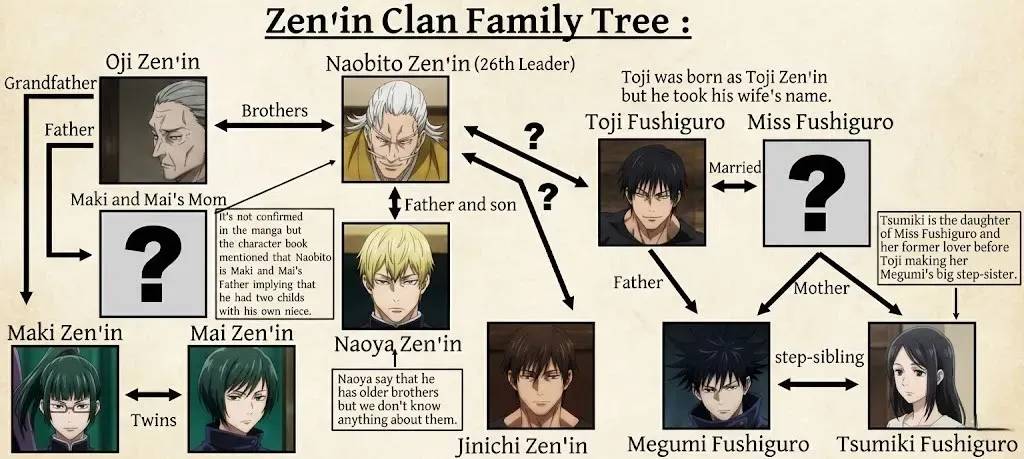
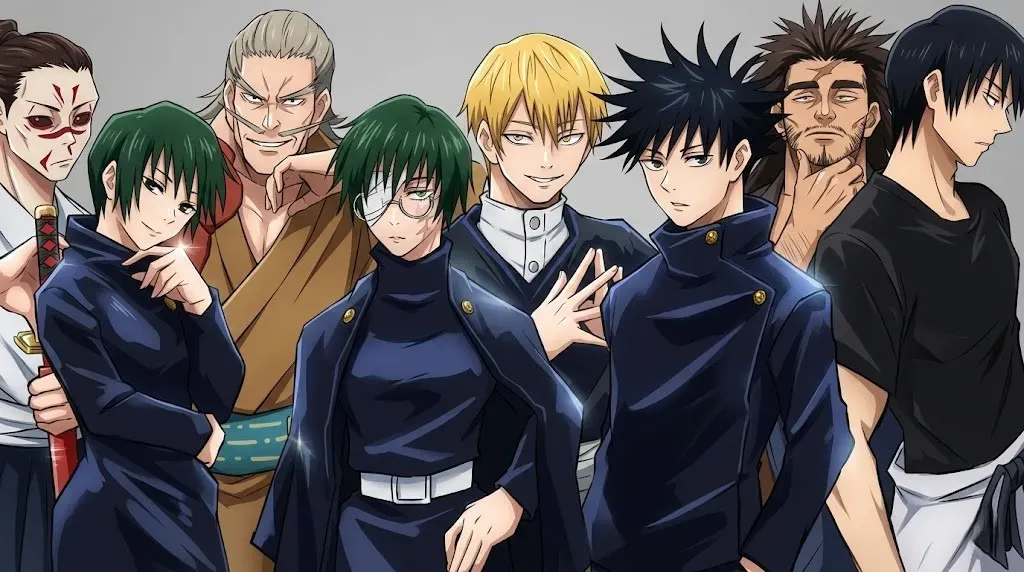
In the world of Jujutsu Kaisen, the Zenin clan history is one of the most complex and storied narratives. Known for their immense power, rigid traditions, and often brutal internal politics, the Zenin family has played a central role in the jujutsu world for centuries. Their history is not just a chronicle of strength, but a cautionary tale of how obsession with lineage and technique can lead to a clan's ultimate downfall. From the ancient Heian Era to the modern day, the Zenin name has been synonymous with elite sorcery and a ruthless pursuit of perfection.
 Also ReadSukuna's World-Cutting Slash Explained
The Zenin Clan as one of the Three Great Families
The Zenin family is prestigious for being one of the Three Great Families, alongside the Gojo and Kamo clans. This status grants them significant political leverage and resources within the jujutsu community. As one of the Three Great Families, the Zenin clan is expected to produce high-level sorcerers capable of maintaining the balance of the world. However, this prestige comes with a dark side; the clan values "perfection" above all else, often discarding members who do not possess powerful inherited techniques. This elitist mindset has created a toxic environment where power is the only currency that matters, and those without it are treated as less than human.
Mastering the Ten Shadows Technique
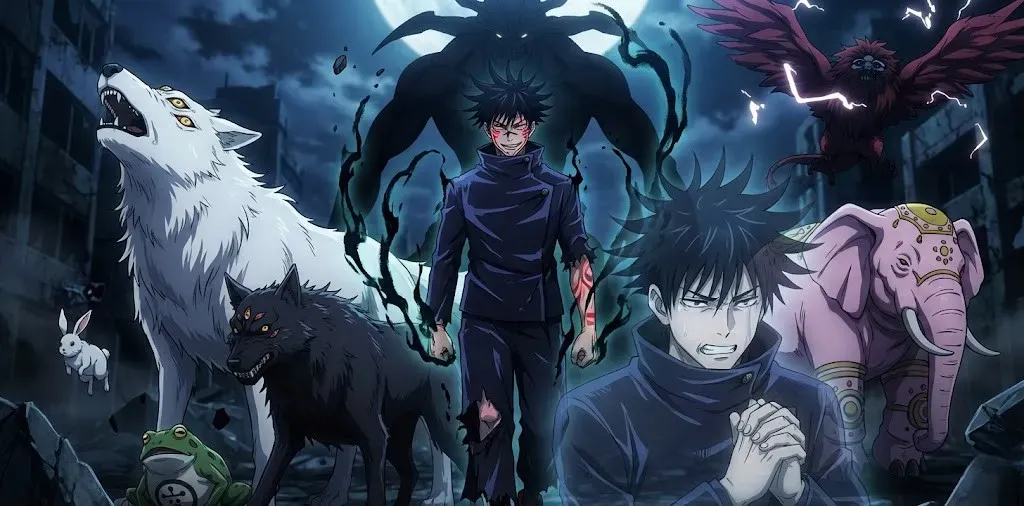
At the heart of the Zenin clan's power is their prized inherited ability: the Ten Shadows Technique. This rare and versatile cursed technique allows the user to summon ten different shikigami using shadows as an intermediary. Mastering the Ten Shadows Technique is the ultimate goal for many Zenin members, as it is one of the few abilities capable of rivaling the Limitless technique of the Gojo clan. The technique includes powerful entities such as:
- Divine Dogs: Swift and lethal hunters that can track and tear through curses.
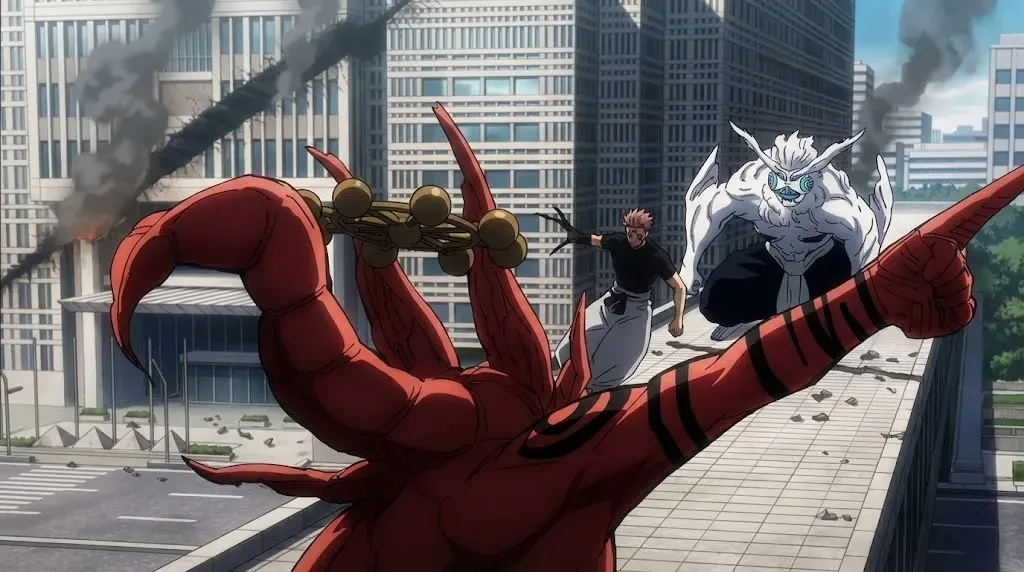
- Nue: A winged shikigami capable of delivering powerful electrical attacks.
- Great Serpent: A massive entity used for sudden, overwhelming strikes.
- Mahoraga: The most powerful and untameable shikigami, known for its ability to adapt to any phenomena.
The history of the Ten Shadows is marked by legendary battles, including a famous duel where a Ten Shadows user and a Six Eyes user killed each other, cementing the technique's place in jujutsu lore.
 Also ReadThe Mahoraga Ritual Rules Explained
The Impact of Heavenly Restriction on Clan Members
While the clan prizes cursed techniques, the phenomenon of Heavenly Restriction has caused significant internal strife. Heavenly Restriction occurs when a person is born with a physical trade-off for cursed energy. In the Zenin clan, this often manifests as individuals having zero cursed energy in exchange for superhuman physical prowess. Despite their incredible combat abilities, the clan historically viewed these members as failures because they lacked traditional sorcery. The impact of Heavenly Restriction is best seen in members like Toji Fushiguro and Maki Zenin, who were shunned and mistreated by their family, leading to a deep-seated resentment that would eventually come back to haunt the clan.
Notable Figures and the Dark Legacy of the Zenin Clan
The dark legacy of the Zenin clan is personified by its most famous—and infamous—members. These figures represent the different facets of the clan's ideology and the consequences of its rigid structure:
- Naobito Zenin: The 26th head of the clan, a man who valued speed and technique above all else, utilizing the Projection Sorcery.
- Toji Fushiguro: The "Sorcerer Killer" who left the clan due to his Heavenly Restriction, becoming one of the most dangerous men in history.
- Maki Zenin: A modern-day outcast who sought to prove her worth despite the clan's efforts to suppress her, eventually becoming the catalyst for the clan's destruction.
- Megumi Fushiguro: The estranged son of Toji who inherited the Ten Shadows Technique, representing the potential for a new path for the family name.
The clan's history is stained with the blood of its own members, as internal power struggles and the systemic abuse of those deemed "weak" created a cycle of violence that spanned generations.
Conclusion: The Future of the Zenin Lineage
The Zenin clan history reached a bloody climax when the weight of its own traditions finally crushed it. The massacre of the clan at the hands of Maki Zenin marked the end of an era. Today, the future of the Zenin lineage rests on the shoulders of those who were once considered outcasts or outsiders. While the political entity of the Zenin clan has effectively ceased to exist, the bloodline continues through individuals who value merit and humanity over rigid hierarchy. The fall of the Zenin clan serves as a powerful reminder that any legacy built on the exclusion and suffering of its own will eventually crumble under the pressure of its own corruption.


















// Comments