
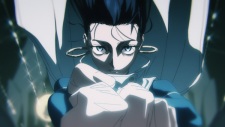
Introduction to Tokyo Revengers Tenjiku vs JJK Shibuya Analysis
The world of anime often features pivotal moments that redefine a series, transitioning it from a standard shonen narrative to a high-stakes masterpiece. For fans of modern hits, the Tokyo Revengers Tenjiku vs JJK Shibuya debate is a popular topic of discussion. Both the Tenjiku Arc and the Shibuya Incident represent the darkest, most transformative periods in their respective stories. While one focuses on the brutal street politics of middle-school gangs and time-travel consequences, the other explores a supernatural war that shatters the status quo of jujutsu society. This Tokyo Revengers vs Jujutsu Kaisen analysis explores how these two arcs stack up against one another in terms of narrative weight, character development, and overall impact.
 Also ReadSukuna's World-Cutting Slash Explained
Overview of the Tokyo Revengers Tenjiku Arc
The Tokyo Revengers Tenjiku arc analysis begins with Takemichi Hanagaki facing his most desperate timeline yet. After discovering that Mikey has killed all the founding members of the Tokyo Manji Gang in the future, Takemichi returns to the past to stop the rise of Tenjiku—a massive gang from Yokohama led by Izana Kurokawa. This arc is the longest in the manga, known for its emotional intensity and the personal connection between the antagonists and the Toman leadership. It features the long-awaited confrontation with Tetta Kisaki, the puppet master behind Takemichi's misery. The arc is characterized by its focus on brotherhood, family legacies, and the heartbreaking realization that even with time travel, some tragedies feel inevitable.
Deep Dive into the Jujutsu Kaisen Shibuya Incident
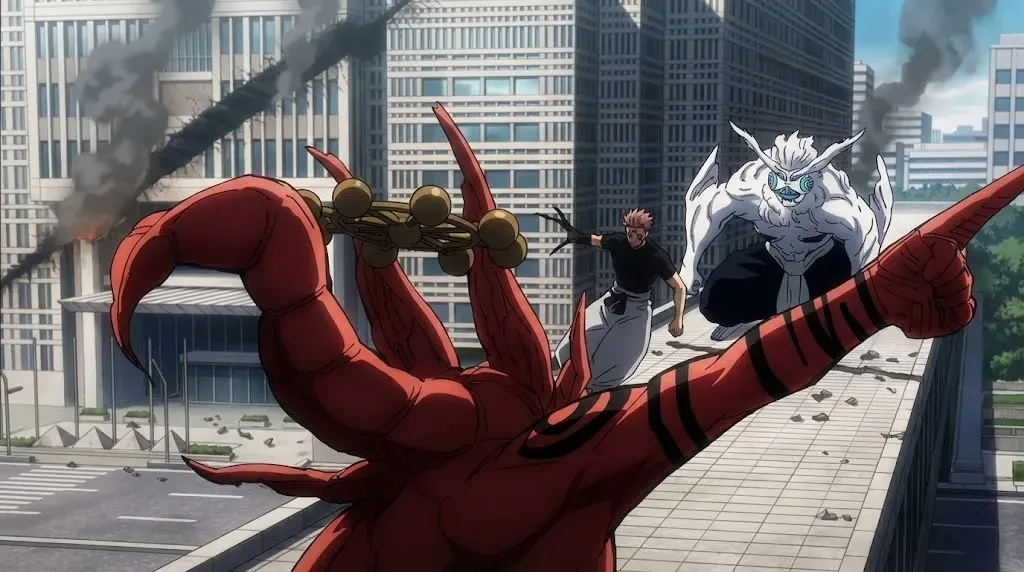
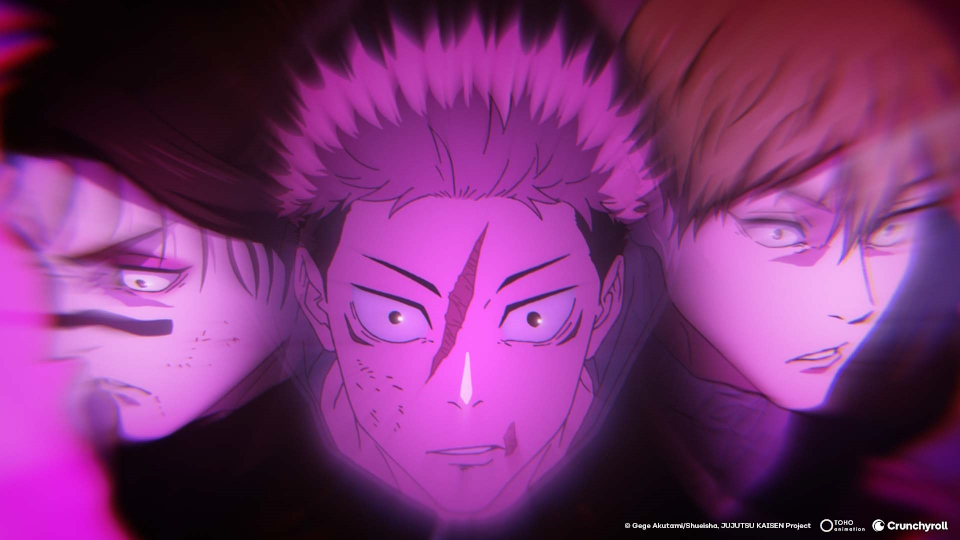
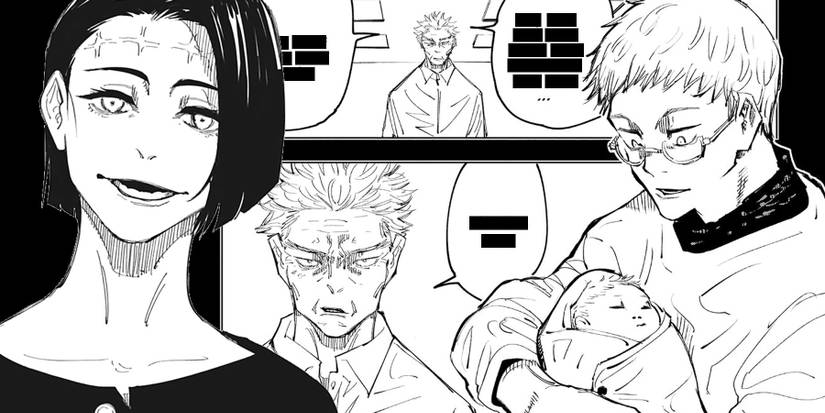
In any Jujutsu Kaisen Shibuya Incident comparison, the focus must be on the sheer scale of the conflict. Taking place on Halloween night in 2018, the Shibuya Incident was a meticulously planned operation by Kenjaku and the special-grade cursed spirits to seal Satoru Gojo. The arc shifted JJK from a relatively traditional sorcery school setting into a grim, unrelenting war zone. It is famous for its "no-one-is-safe" approach, featuring the deaths of fan-favorite characters and the near-total destruction of central Tokyo. The incident serves as the ultimate turning point, leaving the protagonist, Yuji Itadori, broken and the entire world of jujutsu in a state of absolute chaos.
 Also ReadThe Mahoraga Ritual Rules Explained
Key Differences and Similarities in Anime Arc Comparison
When conducting an anime arc comparison between these two heavyweights, several key elements stand out:
- Antagonistic Force: Tenjiku is driven by Izana’s personal jealousy and Kisaki’s obsession, making it a battle of emotions. Shibuya is driven by Kenjaku’s cold, calculated plan to evolve humanity through cursed energy.
- Consequences: Tenjiku leads to a definitive conclusion for the series' main antagonist but leaves the future uncertain. Shibuya completely dismantles the world’s power balance by removing its strongest protector, Gojo.
- Pacing: The Tenjiku Arc focuses on building tension through gang politics and personal drama, whereas Shibuya is an unrelenting series of high-octane battles with minimal breathing room.
- Protagonist Growth: Takemichi finds resolve through his physical weakness and "crybaby" spirit, while Yuji is forced to confront his own identity as a cog in a much larger, more violent machine.
Impact of the Tenjiku vs Shibuya Incident on Their Respective Series
The impact of the Tenjiku vs Shibuya Incident cannot be overstated. For Tokyo Revengers, the Tenjiku Arc serves as a climax for many long-running plot threads, particularly the rivalry between Takemichi and Kisaki. It shifts the tone toward a more tragic exploration of Mikey’s "Dark Impulsivity" and the difficulty of saving someone who doesn't want to be saved. For Jujutsu Kaisen, the Shibuya Incident ended the "golden age" of the series and began the Culling Game saga. It proved that the story was willing to take massive risks, permanently altering the cast and the world-building in a way that few other modern shonen titles dare to do.
Final Verdict: Tokyo Revengers vs Jujutsu Kaisen Analysis
Ultimately, the Tokyo Revengers vs Jujutsu Kaisen analysis shows that while both arcs are masterpieces of their genres, they appeal to different sensibilities. The Tenjiku Arc is the peak of emotional gang drama, offering closure and deep character studies of its central cast. However, the Shibuya Incident is often cited as a superior example of a "war arc" due to its technical complexity, shocking stakes, and the way it forces the audience to feel as vulnerable as the characters. Whether you prefer the heartfelt struggles of Takemichi or the dark, tactical mastery of the Shibuya Incident, both arcs represent the absolute best of modern anime storytelling.




format(webp))








// Comments