Introduction to the Mystery of Jiraiya's Absence
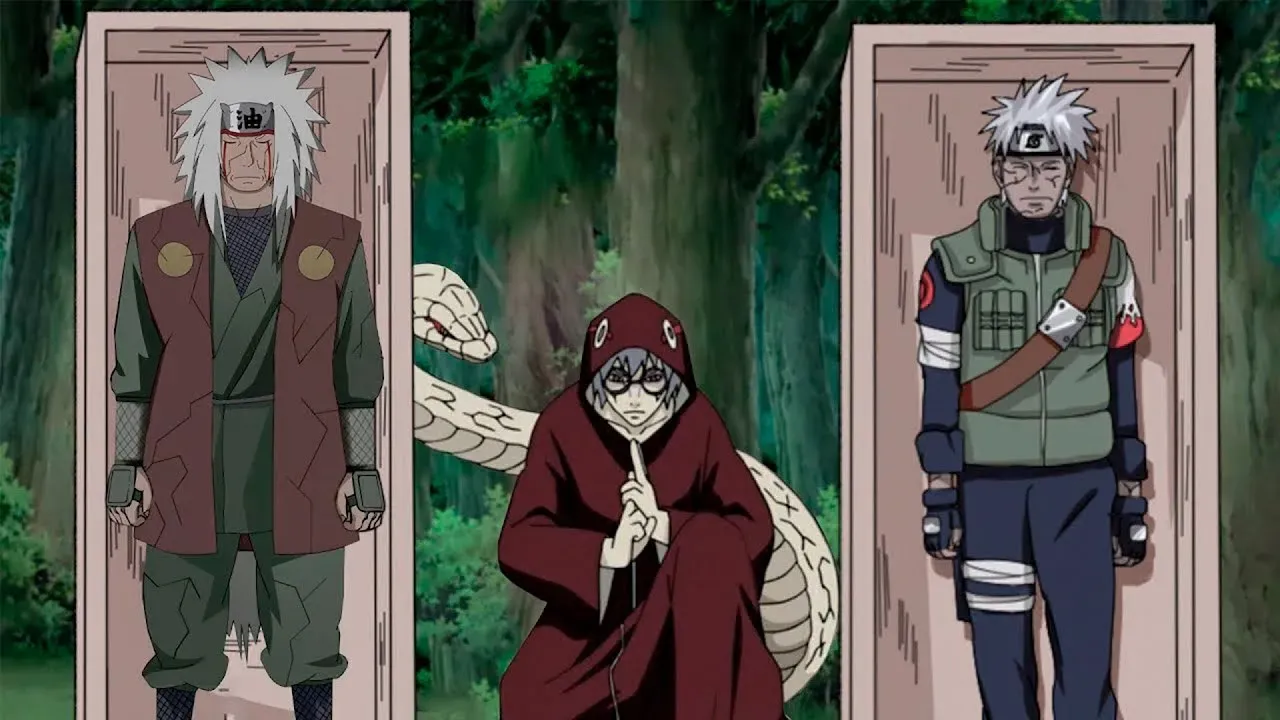
The Fourth Shinobi World War in Naruto Shippuden was defined by the return of legendary figures from the past. Using the forbidden Reanimation Jutsu, Kabuto Yakushi brought back Hokages, Kage-level threats, and even members of the Akatsuki to face the Allied Shinobi Forces. However, one glaring absence left a void in the hearts of fans: Jiraiya, the Toad Sage. Despite being one of the most powerful and influential characters in the series, the question of why Jiraiya was not reanimated remains a central topic of debate among the fandom. Understanding this mystery requires looking at both the technical limitations of the jutsu and the narrative intentions of the creator.
 Also ReadNaruto vs Pain: Full Episode Breakdown & Attacks
Recapping Jiraiya's Heroic Death in Naruto Shippuden
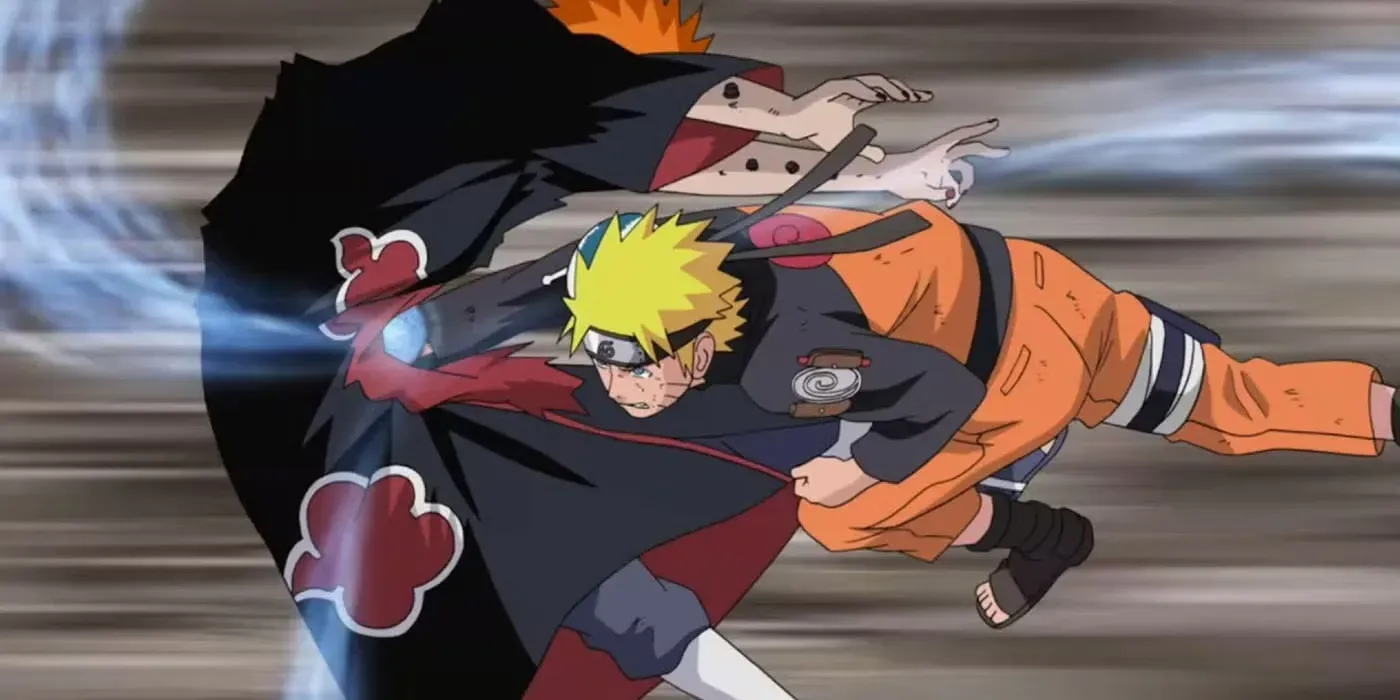
Naruto Jiraiya death explained often begins with his infiltration of the Village Hidden in the Rain. During his confrontation with Pain, the leader of the Akatsuki, Jiraiya faced the Six Paths of Pain alone. Despite his incredible skill and the use of Sage Mode, he was eventually overwhelmed. In his final moments, Jiraiya realized the truth behind Pain's identity and carved a coded message onto the back of Fukasaku. His death was a pivotal moment in Naruto Shippuden, serving as the catalyst for Naruto’s growth and his mastery of Sage Mode. As he succumbed to his injuries, Jiraiya sank deep into the dark waters of Amegakure, leaving behind a legacy of courage and the "Tale of Naruto Uzumaki."
How the Reanimation Jutsu Works: Kabuto's Requirements

To understand why the Toad Sage was missing from the battlefield, one must examine the mechanics of the Summoning: Impure World Resurrection. Kabuto reanimation jutsu Jiraiya was a goal Kabuto openly discussed, but the technique has strict prerequisites. First, the user must possess a significant amount of the deceased individual's DNA (flesh, hair, or blood). Second, the soul of the person must reside in the "Pure Land" (the afterlife) and not be sealed away. Kabuto successfully harvested DNA from grave sites and battlefields across the ninja world, but Jiraiya presented a unique logistical challenge that even the most cunning villain could not overcome.
 Also ReadHow Many Seasons Does Naruto Have? Complete Season Breakdown
The True Reasons Why Jiraiya Was Not Reanimated

There are two primary layers to the Naruto Shippuden Jiraiya's true reasons for absence. The first is the practical explanation provided within the story's lore, and the second is the thematic choice made by the author. From an in-universe perspective, Kabuto simply could not acquire the necessary biological samples. He mentioned to Tobi (Obito Uchiha) that while he wanted to revive Jiraiya to utilize his Sage Mode and tactical brilliance, the physical remains were inaccessible. Without even a strand of hair or a drop of dried blood, the Reanimation Jutsu cannot be initiated, effectively barring Jiraiya from the war.
The Mystery of Jiraiya's Body Location and Water Pressure
The Jiraiya's body location mystery is tied to the geography of Amegakure. After his throat was crushed and he was impaled by the black receivers, Jiraiya plunged into the sea surrounding the village. This water was described as being incredibly deep, with intense water pressure that would crush most diving equipment or shinobi. Kabuto explained that the body had sunk so far into the abyss that it was unreachable for recovery. While some fans speculated that the blood on Pain's weapons could have been used, the narrative insists that the environmental conditions of the Rain Village acted as a natural tomb, protecting Jiraiya from being disturbed by grave robbers like Kabuto.
Masashi Kishimoto’s Narrative Decision Behind the Choice
Beyond the technicalities of DNA, the ultimate answer to "why wasn't Jiraiya in the Fourth Shinobi World War" lies with the creator, Masashi Kishimoto. In various interviews, Kishimoto stated that Jiraiya's death was so perfect and emotionally resonant that bringing him back as a mindless zombie would have cheapened the impact. He felt that he could not write a reunion between Naruto and a reanimated Jiraiya that would surpass the emotional weight of their original bond and Jiraiya's final sacrifice. By keeping him out of the war, Kishimoto preserved the dignity of the character and allowed Naruto to move forward as the hero Jiraiya always believed he would be.
Conclusion: Jiraiya's Lasting Legacy in the Fourth Shinobi World War
In the end, why Jiraiya was not reanimated is a testament to the character's greatness. While other legends returned to fight, Jiraiya’s absence allowed his "last chapter" to remain untainted. His influence was still felt throughout the Fourth Shinobi World War through Naruto’s resolve, the peace he sought, and the lessons he passed down to the next generation. Jiraiya died a hero’s death, and by resting in the depths of the ocean, his soul remained at peace, proving that some legacies are too powerful to be brought back by forbidden jutsu.














// Comments