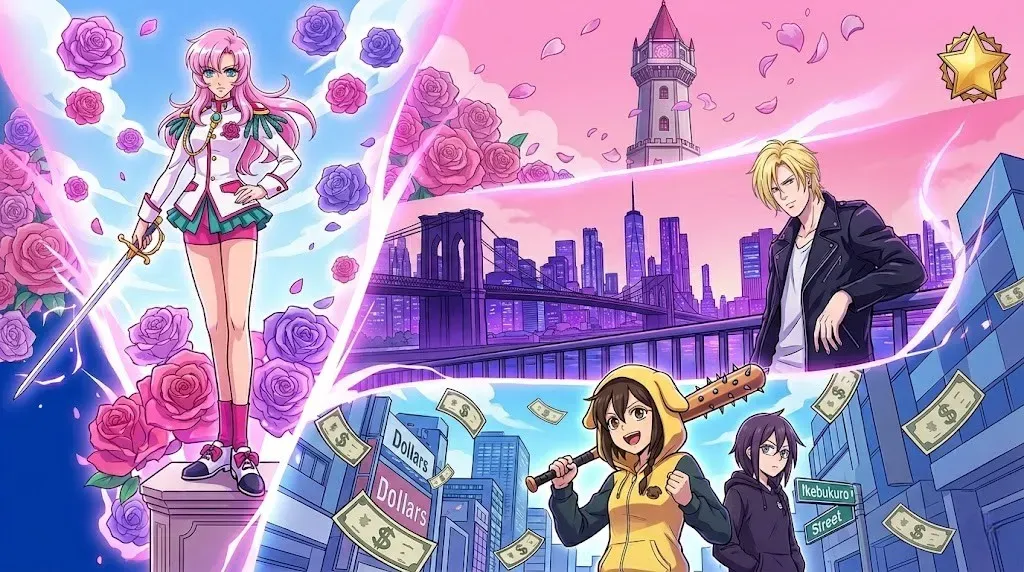
Introduction to Iconic Bi Anime Characters
The landscape of modern animation has undergone a massive transformation, moving toward a more inclusive and diverse portrayal of human identity. Among the most discussed topics in the community is the rise of the bi anime experience, where characters are no longer confined to rigid boxes of orientation. These characters represent a significant shift in storytelling, where attraction is portrayed as a fluid and natural part of a protagonist's journey.
For many fans, seeing bisexual anime characters on screen provides a sense of validation and visibility that was often missing in earlier decades. Whether it is a legendary vampire hunter or a magical girl saving the universe, these figures have become icons of the LGBTQ+ community. This guide explores the most impactful characters who have defined what it means to be bisexual in the world of Japanese animation.
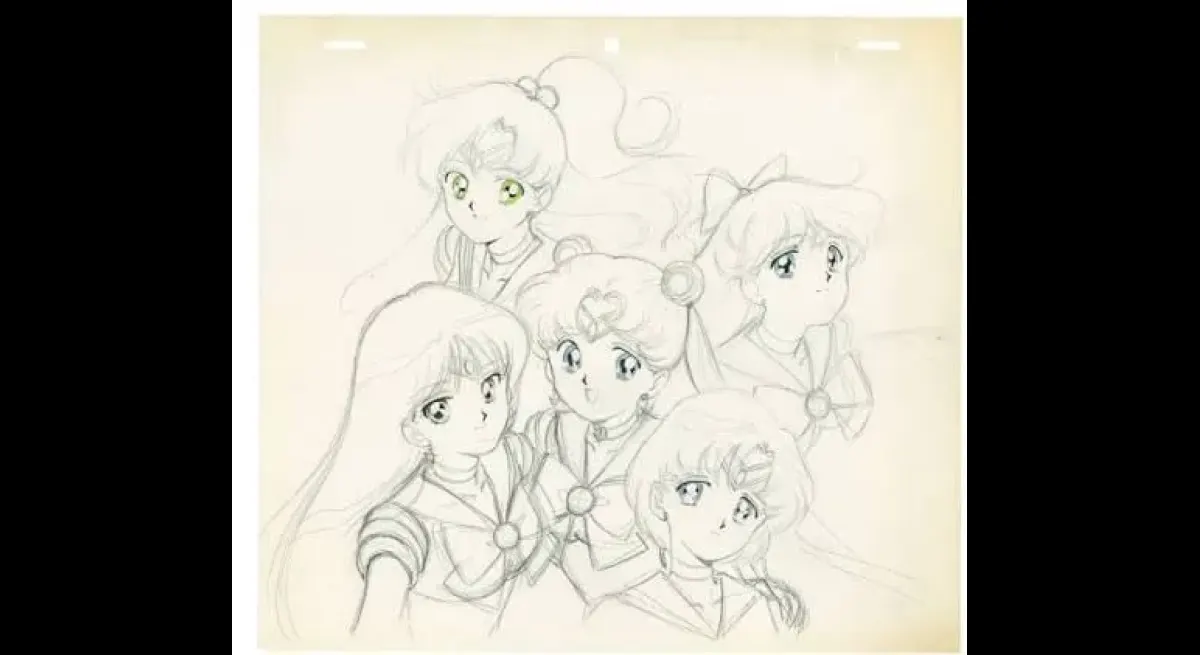 Also ReadSailor Moon Heads Back to Christie’s NY Auction October After $89K Sale
Understanding Bisexuality in Anime History
Historically, the portrayal of bisexuality in anime was often shrouded in subtext or "coding." In the 1990s, series like Sailor Moon and Revolutionary Girl Utena pushed boundaries, though international localizations sometimes censored these elements to fit conservative standards. Despite these hurdles, the DNA of bi anime was being formed through characters who expressed romantic interest regardless of gender.
As the medium matured, creators began to move away from ambiguous hints toward explicit, canon bisexual anime representation. The evolution from the "tragic queer" trope to empowered, multifaceted leads has allowed for more authentic storytelling. Today, bisexuality is integrated into character arcs not as a plot twist, but as a foundational element of their personality and world-view.
The Importance of LGBTQ+ Representation in Media
Media has a profound impact on how society perceives different identities. For the bi anime fan base, accurate representation serves to dismantle harmful stereotypes and provide "mirrors" for their own experiences. When a character's bisexuality is handled with nuance, it contributes to a broader cultural understanding of the spectrum of human attraction.
Moreover, iconic LGBTQ+ anime helps foster a sense of belonging within the global fan community. In 2026, the demand for authentic stories is higher than ever, with audiences favoring shows that prioritize character depth over tokenism. By including bisexual romance anime series, studios can reach a wider demographic and create stories that resonate on a deeply personal level with viewers from all walks of life.
 Also Read15 Best Shy Anime Girls & Waifus, Ranked
Criteria for Ranking the Best Bi Anime Characters
Ranking the best characters in this category requires looking beyond mere mentions of orientation. Our selection process for the bi anime elite is based on the following criteria:
- Canonicity: Is the character's bisexuality confirmed by the creator, the source material, or explicit on-screen actions?
- Narrative Significance: How much does their identity contribute to their personal growth and the overall story?
- Cultural Impact: Has the character become a symbol for the LGBTQ+ community or sparked meaningful dialogue?
- Complexity: Is the character more than just their orientation? We value well-rounded individuals with clear goals and flaws.
15 Best Iconic Bi Anime Characters, Ranked
1. Dio Brando (JoJo’s Bizarre Adventure)
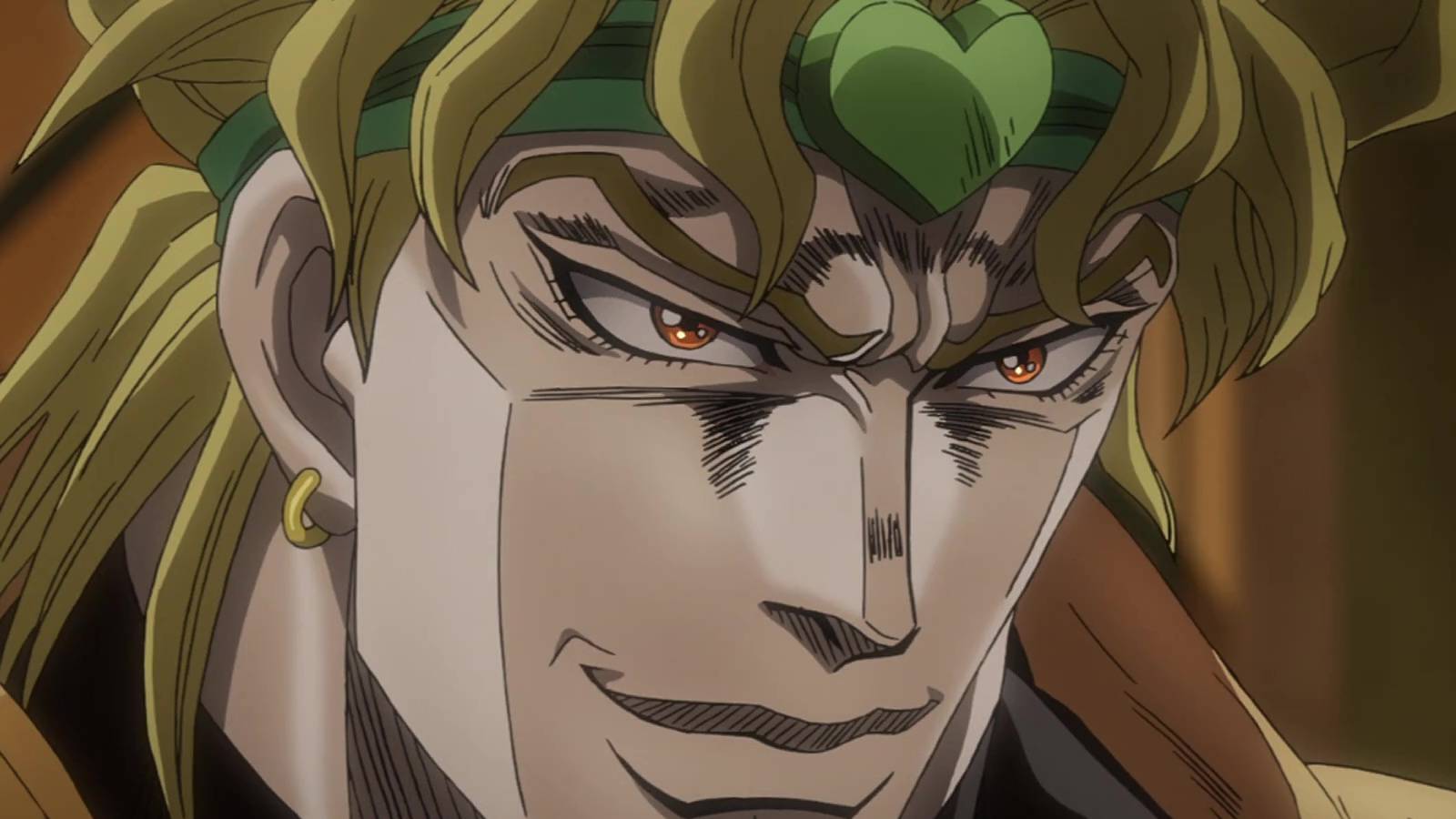
Dio is one of the most famous canon bisexual anime villains. Series creator Hirohiko Araki confirmed that Dio is "composed" in a way that he could be with either a man or a woman. His magnetic personality and absolute confidence make him a legendary figure who transcends traditional labels.
2. Shinji Ikari (Neon Genesis Evangelion)
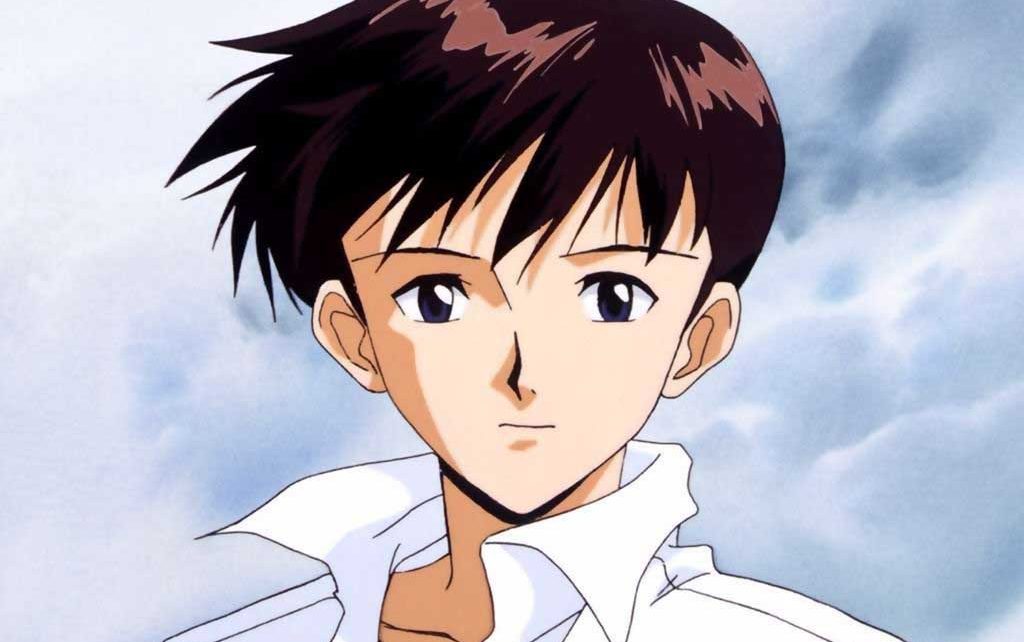
Shinji’s journey is one of deep psychological exploration. His attraction to both Asuka Langley and Kaworu Nagisa is central to his search for connection. He is widely regarded as a definitive example of bi anime representation in high-concept sci-fi.
3. Usagi Tsukino (Sailor Moon)
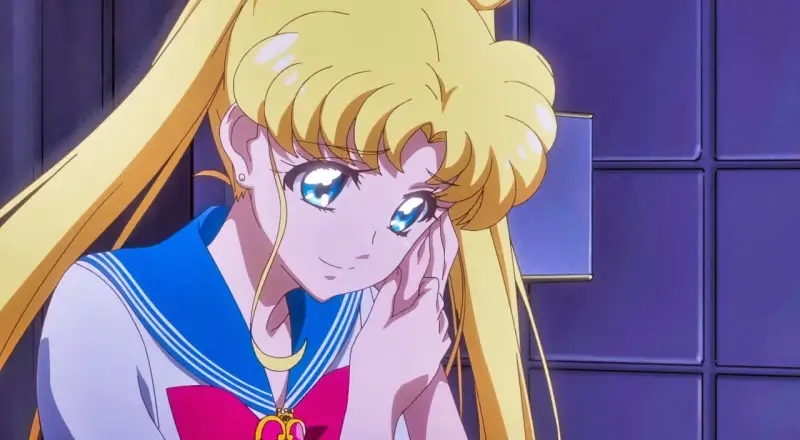
The protagonist of Sailor Moon has long been interpreted as bisexual. Her recurring blushes for both handsome men and beautiful women, such as Sailor Uranus, highlight a character who loves based on the soul rather than the gender. She remains one of the best bi anime leads in history.
4. Utena Tenjou (Revolutionary Girl Utena)

Utena is a cornerstone of iconic LGBTQ+ anime. Her devotion to Anthy Himemiya and her past feelings for male characters create a complex portrait of a young woman breaking free from societal expectations to find her true self.
5. Asahina Satoru (From the New World)

In the dystopian world of Shinsekai Yori, sexuality is portrayed as fluid. Satoru dates male friends during his youth before eventually forming a deep, long-term bond with the female protagonist, Saki. He is a rare example of a character whose bisexuality is treated as a natural norm.
6. Suruga Kanbaru (Monogatari Series)
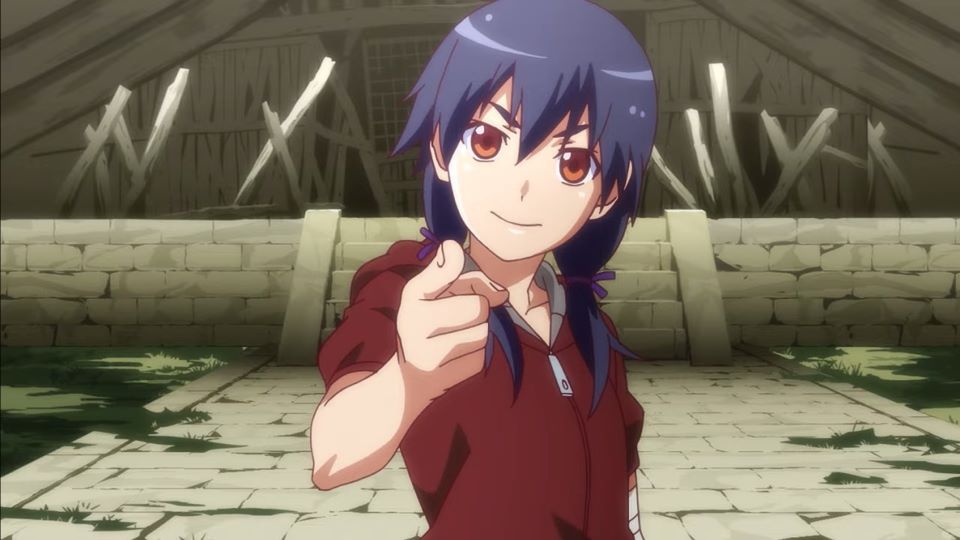
Kanbaru is openly bisexual and often discusses her preferences with the protagonist, Araragi. Her character is highly athletic, intelligent, and fiercely honest about her feelings, making her a standout in anime with bi representation.
7. Apollo (Is It Wrong to Try to Pick Up Girls in a Dungeon?)
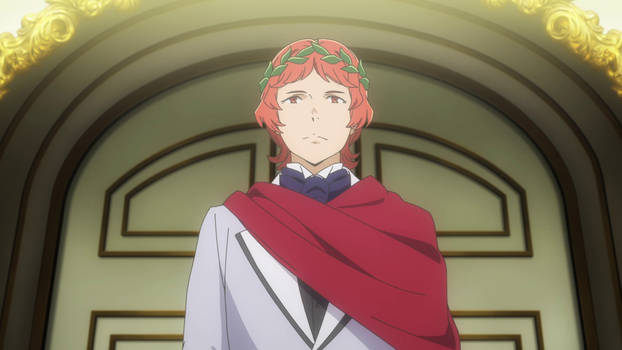
As a deity, Apollo’s desires are vast and unrestricted. He is explicitly shown to pursue both male adventurers like Bell and female goddesses like Hestia. His inclusion highlights the mythological roots of fluid identity often found in fantasy settings.
8. Himiko Toga (My Hero Academia)
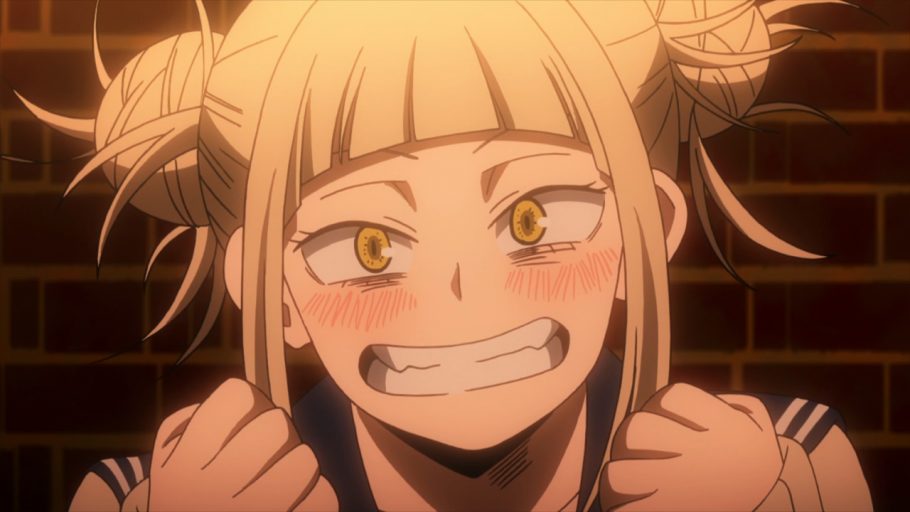
Toga’s definition of love is chaotic and visceral. She expresses intense romantic interest in both Izuku Midoriya and Ochaco Uraraka. While her methods are villainous, her bi anime identity is a core part of her motivation to live a life without restrictions.
9. Ash Lynx (Banana Fish)

Ash’s history and his deep, soul-bonding relationship with Eiji Okumura, combined with his past attractions, place him firmly in the conversation of bisexual icons. His story is a tragic but powerful look at how love can exist beyond boundaries in a harsh world.
10. Ryuko Matoi (Kill la Kill)

Ryuko’s journey of self-acceptance is often viewed as an allegory for coming to terms with one's identity. Her blushing interactions with Mako Mankanshoku and her complex feelings toward other characters make her a favorite for fans looking for bi anime energy.
11. Suma (Demon Slayer)
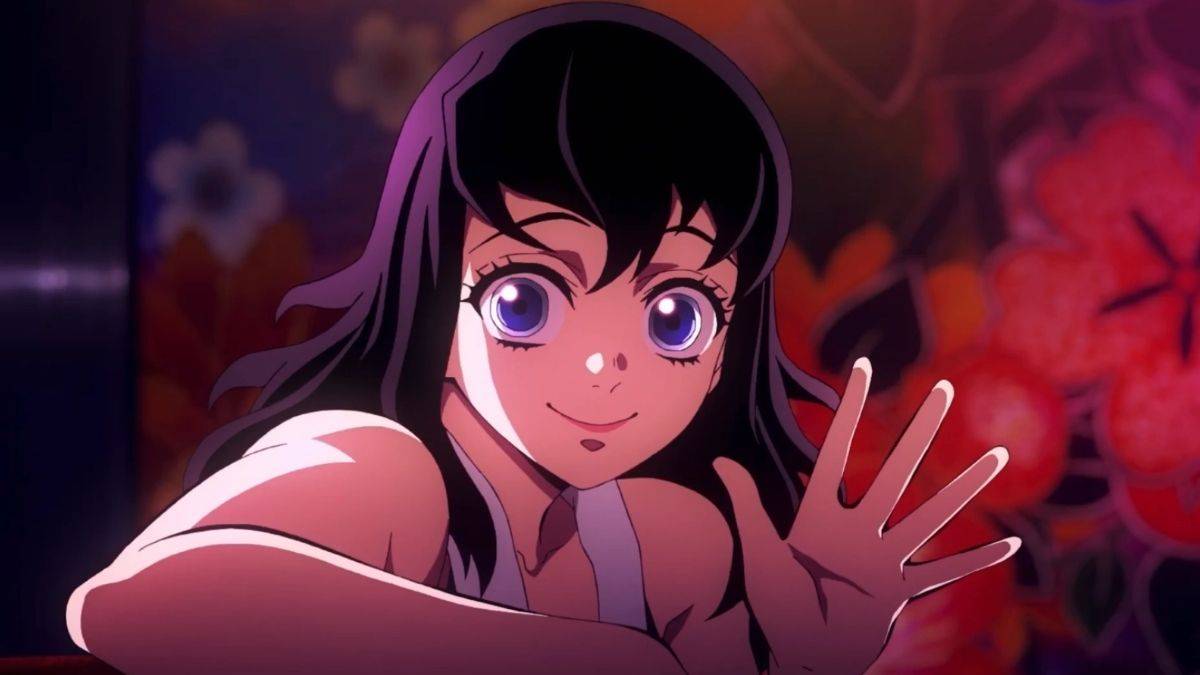
One of Tengen Uzui’s three wives, Suma is a bold kunoichi whose bisexuality was one of the traits that initially appealed to her husband. She brings a vibrant and energetic presence to the series, proving that supporting characters can also offer great bi anime representation.
12. Motoko Kusanagi (Ghost in the Shell)
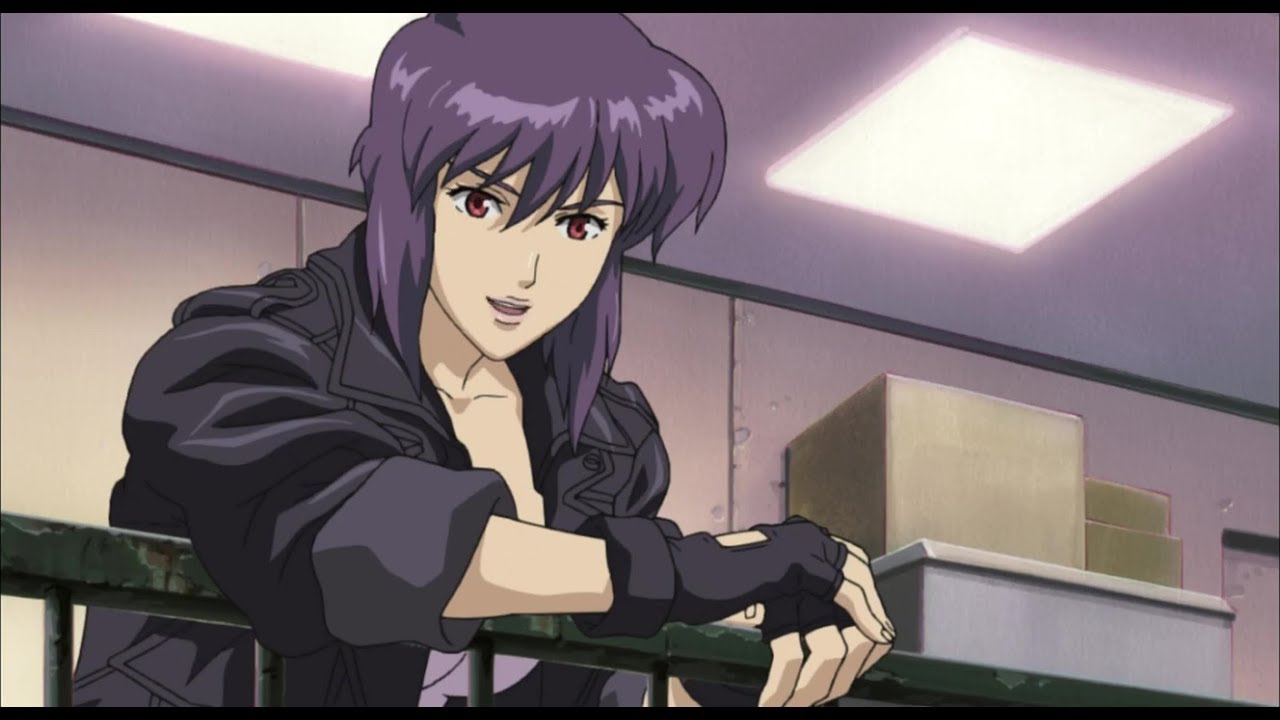
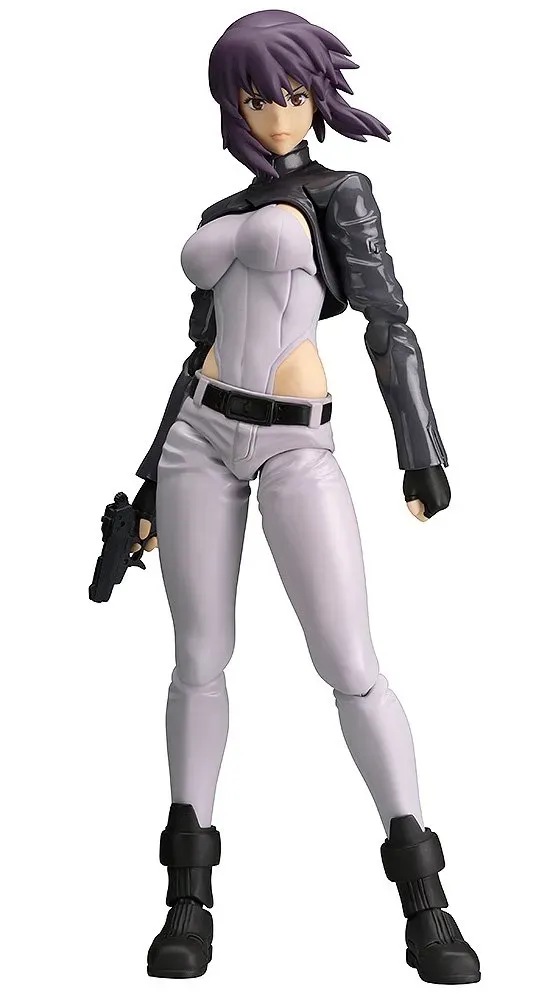
The Major has been portrayed as bisexual in the original manga and various anime adaptations. In a world of cyborg bodies and digital souls, her identity reflects the series' themes of transcending physical limitations to find human connection.
13. Kanji Tatsumi (Persona 4: The Animation)

Kanji’s arc is a masterpiece of self-exploration. He struggles with his perceived "masculinity" and his attraction to both traditional feminine traits and a character he initially believes to be a boy. He is an essential figure in anime with bi representation.
14. Rosalie Lamorliere (The Rose of Versailles)

A classic character from the shojo genre, Rosalie experiences profound romantic feelings for the protagonist Oscar (who presents masculinely) while later entering a traditional relationship. She represents the long-standing history of bi anime themes in historical drama.
15. Mairu Orihara (Durarara\!\!\!)

Mairu is refreshingly blunt about her identity, explicitly stating that she is bisexual. Her extroverted nature and comfort with her orientation make her a modern and positive portrayal of the bi anime experience in an urban fantasy setting.
Impact of Diverse Identities on Character Development
When creators integrate bi anime identities into their writing, it often leads to more nuanced character development. Instead of following a predictable romantic path, these characters navigate a wider range of emotional landscapes. Their orientation can serve as a catalyst for internal conflict, self-discovery, or as a source of strength that allows them to connect with others on a deeper level.
This diversity also allows for more creative world-building. In series where bisexual romance anime series tropes are prevalent, the social structures and relationship dynamics often feel more modern and relatable to 2026 audiences. It moves the narrative away from "who will they end up with" toward "how do they grow through their experiences with others."
Fan-Favorite Bi Characters and Their Legacy
The legacy of these characters is often carried by the fan community through fan art, essays, and discussions on platforms like Wikipedia and Reddit. Characters like Shinji and Usagi have paved the way for modern hits, ensuring that bisexual anime characters are seen as a standard part of the medium’s creative output.
These fan-favorites often transcend their original series, appearing in lists of the most influential anime figures of all time. Their legacy is one of courage and progress, proving that diverse stories are not only commercially viable but also essential for the continued evolution of the industry. You can explore more detailed character databases on Crunchyroll to see how these icons are celebrated today.
Evolution of Bisexual Tropes in Modern Anime
We have moved past the era where a character's bisexuality was used merely for "shock value" or fanservice. Modern bi anime focuses on the emotional reality of being attracted to more than one gender. The "confused" trope is being replaced by characters who are confident in their fluidity, and the "unfaithful" stereotype is being dismantled by portraying healthy, committed bisexual relationships.
Furthermore, the 2026 trend in bisexual romance anime series is toward "slow burn" narratives that prioritize emotional intimacy. This evolution reflects a more sophisticated audience that values representation that feels earned and realistic. As a result, iconic LGBTQ+ anime titles are becoming some of the most critically acclaimed shows of the decade.
Conclusion: The Future of Bi Representation in Anime
The future of bi anime is incredibly bright. As the global reach of Japanese animation expands, the need for stories that reflect a diverse audience continues to grow. We can expect to see more best bi anime leads who take center stage in epic adventures, cozy romances, and thought-provoking dramas. The progress made by the characters on this list has laid a strong foundation for the next generation of creators.
Ultimately, the inclusion of bisexual anime characters is about more than just checking a box; it is about telling the full story of the human heart. By embracing fluidity and diversity, anime continues to prove why it is one of the most powerful and inclusive storytelling mediums in the world today. Whether you are a long-time fan or new to the genre, these iconic characters offer a window into a world where love truly knows no bounds.




// Comments