Introduction: The Mystery of Android 17 in Dragon Ball Super
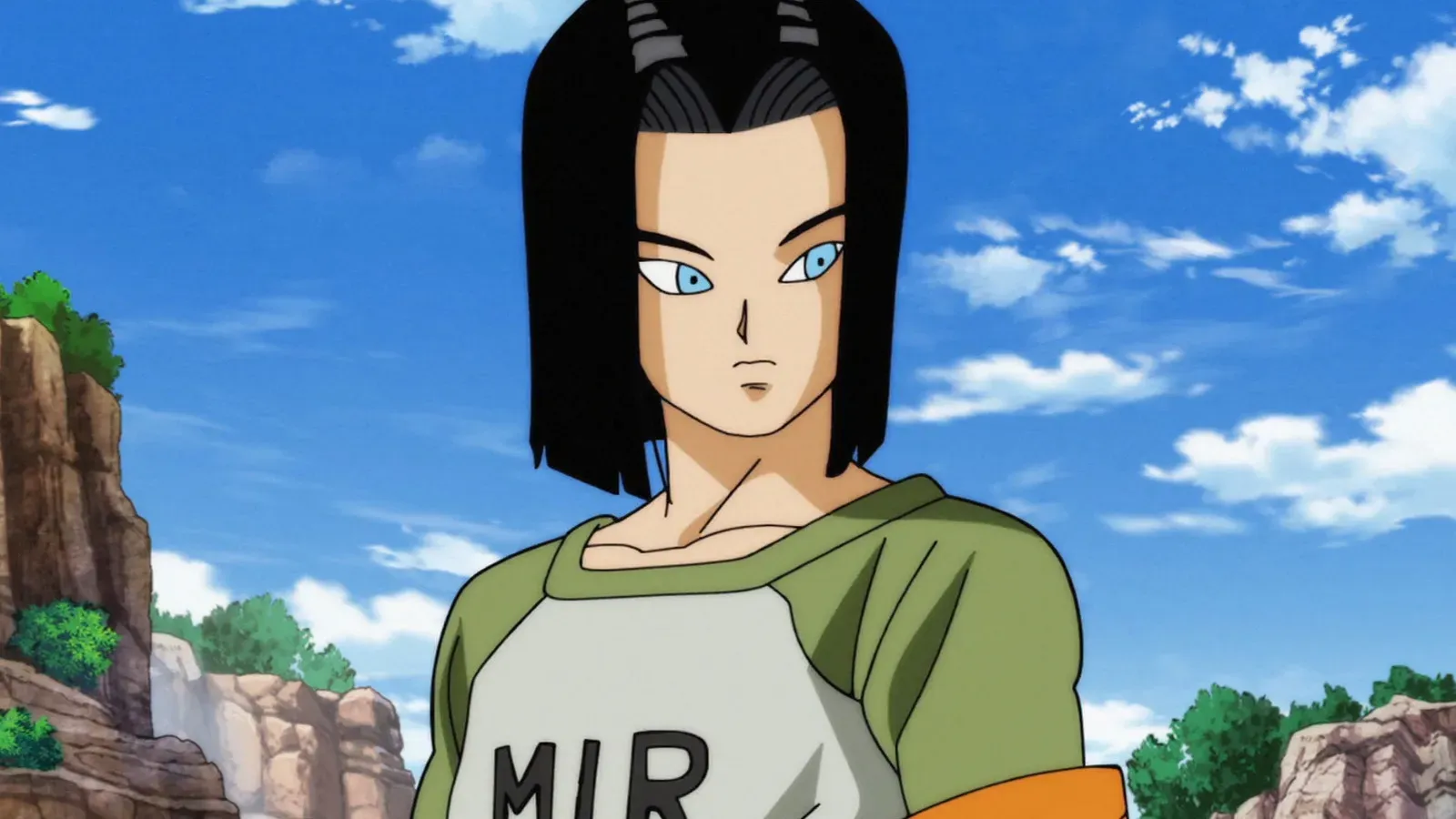
For years, fans of the Dragon Ball franchise believed that Android 17’s story had reached a definitive conclusion during the Cell Saga. As a character who was absorbed and seemingly lost when Cell self-destructed, his presence in later chapters was often relegated to brief cameos or non-canon appearances. However, the Universe Survival Arc brought a massive shock to the community: Android 17 alive in Dragon Ball Super and stronger than ever. This return raised many questions among the fanbase regarding his survival, his whereabouts during the Buu Saga, and how he reached a power level capable of competing with Super Saiyan Blue Goku. Understanding the return of Lapis—his human name—requires a deep dive into the specific mechanics of his biological makeup and the wishes made upon the Dragon Balls.
 Also ReadMost Viewed Anime of All Time?
How Android 17 Survived Cell in Dragon Ball Z
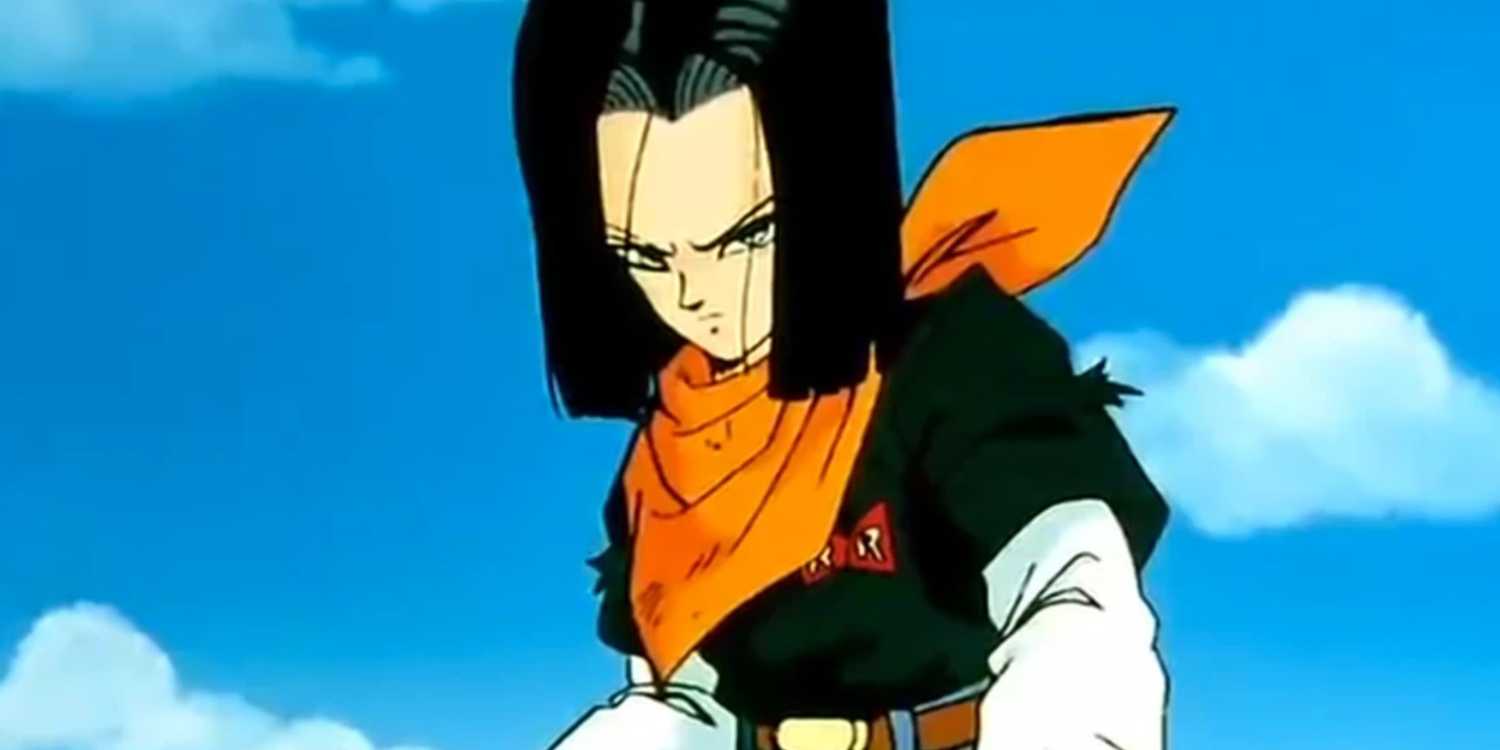
To understand his current status, we must first look back at how Android 17 survived Cell in Dragon Ball Z. During the climactic battle against Gohan, Cell was forced to regurgitate Android 18 after taking a massive blow, reverting to his Semi-Perfect form. However, Android 17 remained inside Cell when the villain decided to self-destruct on King Kai’s planet. When Cell exploded, Android 17 was killed along with him. The reason he is still around today is not that he survived the blast itself, but rather the events that followed the battle. After Gohan defeated Super Perfect Cell, the Z-Fighters used the Dragon Balls to undo the damage caused by the bio-android. A crucial wish was made to Shenron to revive everyone killed by Cell. Since Android 17 was a victim of Cell’s actions and the explosion, he was brought back to life along with the rest of humanity, though he chose to remain in the shadows for a long time.
The Revival of Android 17 Explained
The Android 17 revival explained further involves the specific nature of the wish made by Krillin. Not only were the victims revived, but Krillin also requested that the self-destruct bombs inside 17 and 18 be removed. This allowed 17 to live a normal life as a human-based cyborg without the constant threat of being a walking weapon. Unlike Android 16, who was entirely mechanical, 17 and 18 were "Artificial Humans" created from a cellular base. This biological foundation is why the Dragon Ball Z Android 17 return was possible through a standard resurrection wish. After his revival, 17 became a wanderer, eventually finding a purpose that allowed him to train in secret, far away from the escalating battles of the Z-Fighters.
 Also ReadSaitama vs Goku: The Best Fan Theories Debunked!
Android 17's Life as a Park Ranger
One of the most fascinating aspects of his character development is the Android 17 park ranger back story. Following his resurrection, 17 eventually settled on Monster Island, a remote wildlife preserve. He took on the role of a park ranger, protecting rare animals—specifically the Minotaurus—from heavily armed poachers. This life in the wilderness was more than just a job; it was his training ground. By constantly fending off high-tech poachers and potentially sparring with the Cell Juniors (who were revealed in manga extras to have survived and lived on the island), 17’s power grew exponentially. This peaceful yet demanding lifestyle transformed him from a rebellious teenager into a pragmatic, disciplined protector of life, which explains his level-headedness when Goku eventually tracks him down for the Tournament of Power.
Key Moments: Android 17’s Return in Dragon Ball Super
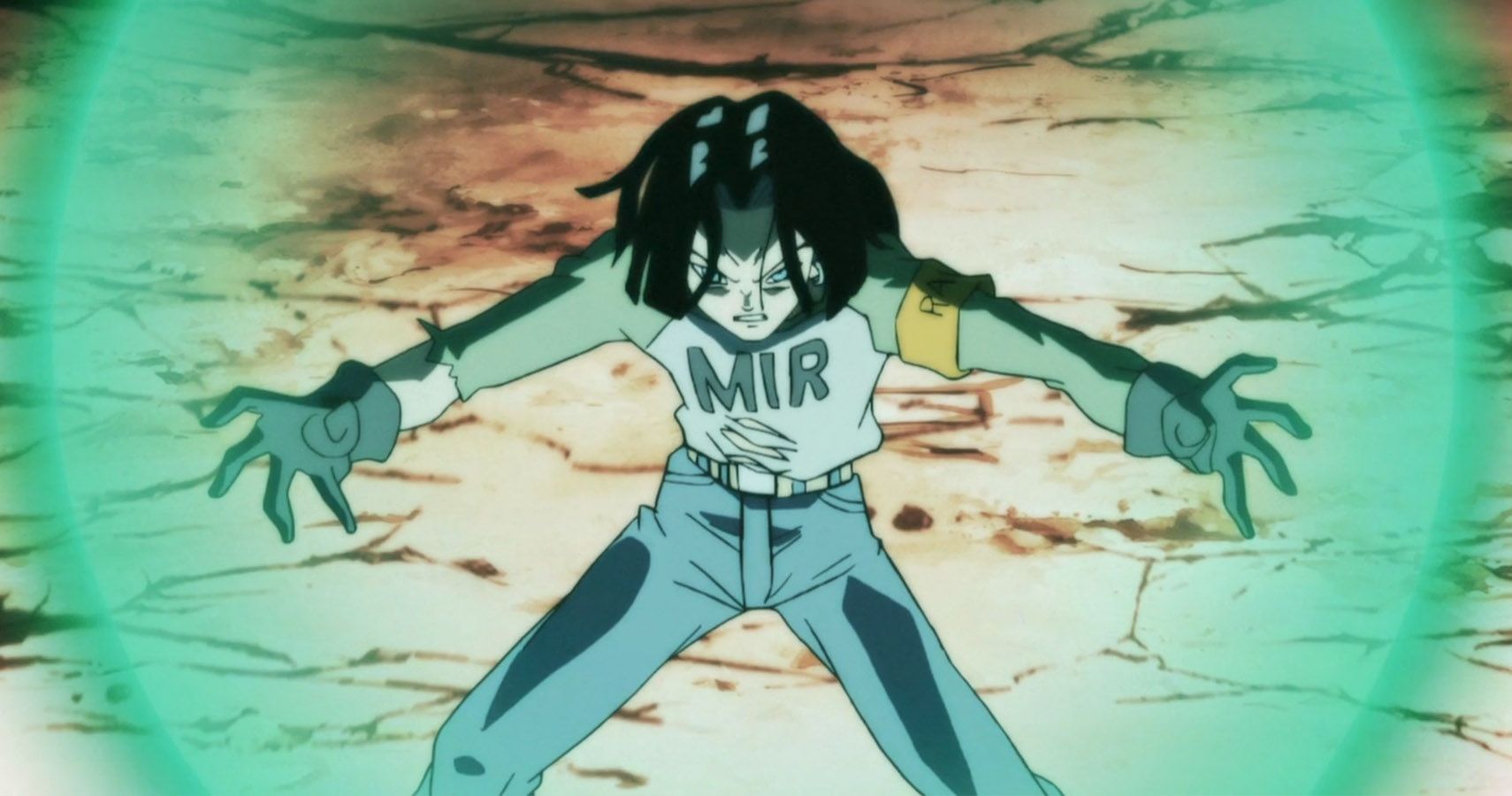
The actual Dragon Ball Z Android 17 return to the main stage occurred when Goku sought out ten warriors to represent Universe 7. Their initial sparring match showcased that 17 had bridged the gap between a standard cyborg and god-tier power. However, his true impact was felt during the Tournament of Power itself. Key moments include:
- His strategic brilliance in eliminating several dangerous opponents from rival universes.
- The emotional "sacrifice" where he appeared to self-destruct to protect Goku and Vegeta from Jiren’s blast.
- The ultimate reveal that he had survived his own explosion by shielding himself, leading to him being the last man standing on the arena.
As the winner of the Tournament of Power, 17 proved that he was no longer just a side character but a top-tier hero with a strategic mind that surpassed even the Saiyans.
Conclusion: Android 17’s Evolution and Legacy
The journey of Android 17 is one of the most successful character rehabilitations in anime history. From a cold-blooded villain designed to destroy Goku to the selfless savior of the multiverse, his evolution is profound. Seeing Android 17 alive in Dragon Ball Super reminded fans that even characters from the series' past can have a significant future. His legacy is now defined not by his origins as a tool of Dr. Gero, but by his humanity and his dedication to his family and the environment. By the end of the series, Android 17 isn't just a powerful warrior; he is a symbol of redemption and the unexpected hero that Universe 7 desperately needed.













// Comments