Introduction to Anime Heroes Who Started as Villains
In the vast and ever-evolving landscape of Japanese animation, the line between good and evil is rarely a straight one. While we often celebrate the anime heros who begin their journeys with pure hearts and noble intentions, some of the most compelling narratives belong to those who started in the shadows. These are the characters who initially sought destruction, power, or revenge, only to eventually stand among the world's most iconic anime heroes.
The transition from a primary antagonist to a staunch defender of justice provides a unique depth to a series. It challenges our perceptions of morality and shows that even the most formidable powerful anime warriors can find a path to light. As we look at the state of storytelling in 2026, these "heel-face turns" remain a cornerstone of what makes the medium so resonant with global audiences.
In this guide, we are ranking the best examples of villains who traded their malevolent ambitions for a heroic calling. These individuals didn't just change sides; they redefined what it means to be a hero, often becoming more influential anime leads than those who were born into the role.
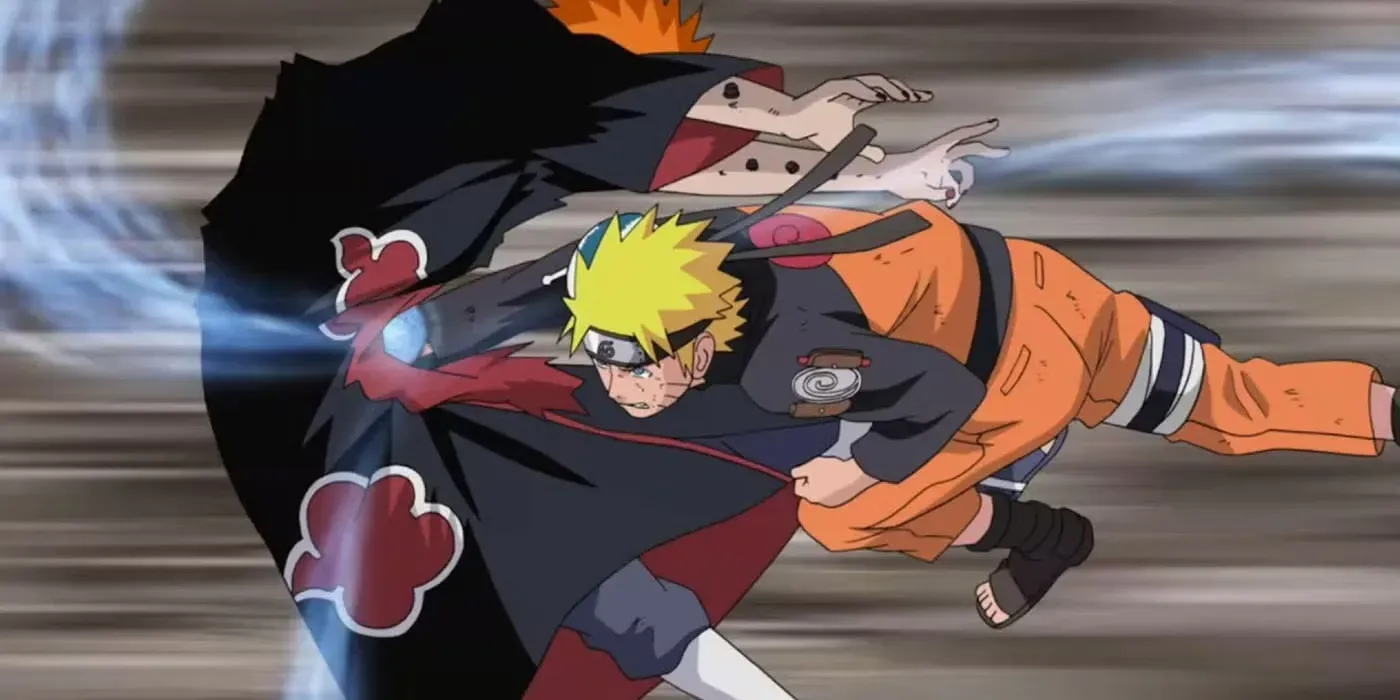 Also ReadNaruto vs Pain: Full Episode Breakdown & Attacks
The Evolution of Redemption Arcs in Anime
The concept of redemption has changed significantly over the decades. In early shonen works, a villain’s shift to the "good side" was often sudden and driven by a single defeat. However, modern storytelling has embraced a more nuanced approach. Today's redemption arcs are slow burns, characterized by internal conflict, heavy personal loss, and a gradual realization of the harm they’ve caused.
This evolution mirrors the complexity of strongest shonen protagonists in the 21st century. Characters are no longer just "good" or "bad"; they are products of their environments and choices. By exploring the grey areas of a character's psyche, creators allow for a more authentic transformation into best heroic characters. This shift has made the "redeemed villain" one of the most popular tropes in the industry.
Furthermore, the 2026 anime landscape prioritizes psychological realism. Fans are less interested in "perfect" heroes and more drawn to those who have struggled with their own darkness. This trend has elevated the status of former villains, placing them at the top of many "fan-favorite" lists alongside top-ranked anime defenders.
Criteria for Ranking the Best Former Villains
Ranking these transformations requires more than just looking at their power levels. While they are undoubtedly powerful anime warriors, their "heroism" is judged by the quality of their character growth. To determine our list, we utilized the following criteria:
 Also ReadHow Many Seasons Does Naruto Have? Complete Season Breakdown
- Depth of Villainy: How truly "evil" were they initially? A character who was a genuine threat carries more weight than a minor nuisance.
- Sacrifice and Penance: What did they have to give up or do to earn their place among anime heros? True redemption requires more than just an apology.
- Consistency of Growth: Did the character continue to struggle with their past, or was the change permanent and meaningful?
- Impact on the Narrative: How much did their change affect the outcome of the series and the development of other characters?
By using these standards, we can distinguish between a simple change of heart and a legendary transformation that cements a character as one of the influential anime leads of their generation.
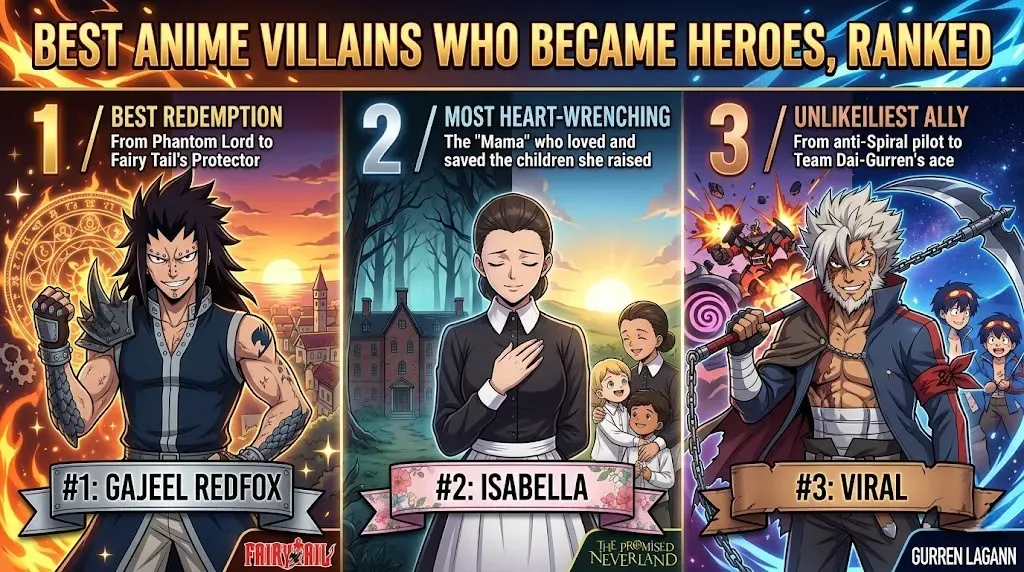
10 Best Anime Villains Who Became Heroes, Ranked
10. Gajeel Redfox (Fairy Tail)
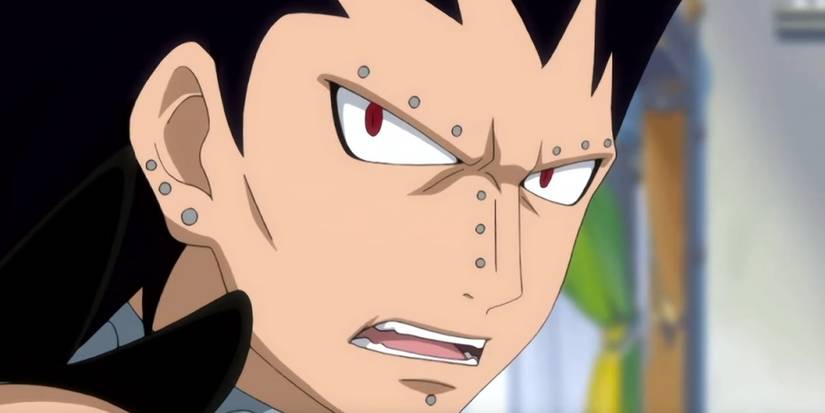
Gajeel began his journey as the brutal "Iron Dragon Slayer" of the Phantom Lord guild, nearly destroying Fairy Tail and physically torturing its members. His redemption was a gritty, difficult process. He didn't just join the heroes; he worked from the shadows to prove his loyalty, eventually becoming one of the guild's most powerful anime warriors and a devoted protector of his new family.
9. Greed (Fullmetal Alchemist: Brotherhood)

The Greed we meet initially is a self-serving Homunculus interested only in possessions. However, through his bond with Ling Yao, Greed’s desires shift from material wealth to the "possession" of friendship. His ultimate sacrifice to stop Father makes him one of the most unexpectedly best heroic characters in the series.
8. Isabella (The Promised Neverland)

Isabella was the terrifying "Mama" who raised children like cattle for demons. Her transformation isn't a combat-based power creep but a psychological one. In the final act, her decision to turn against the system she served and protect her "children" solidified her as a tragic but vital influential anime lead in the resistance.
7. Viral (Gurren Lagann)
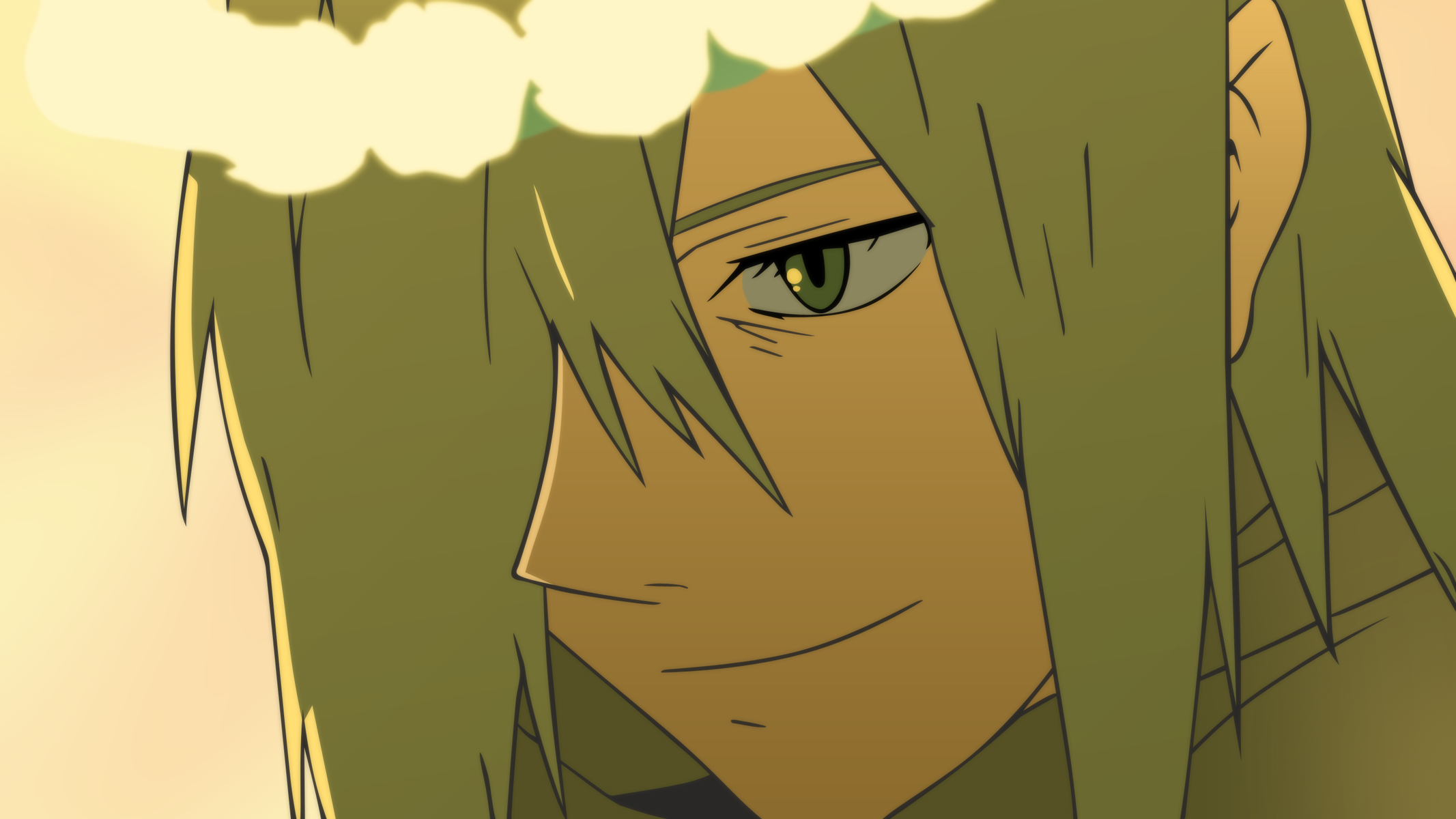
Viral started as an immortal Beastman dedicated to the extinction of humanity. After the fall of the Spiral King, his rivalry with Kamina and Simon evolved into a deep respect. Seeing him pilot the Gurren Lagann alongside Simon is a peak moment for top-ranked anime defenders, proving that old enemies can become the most reliable allies.
6. Kenpachi Zaraki (Bleach)
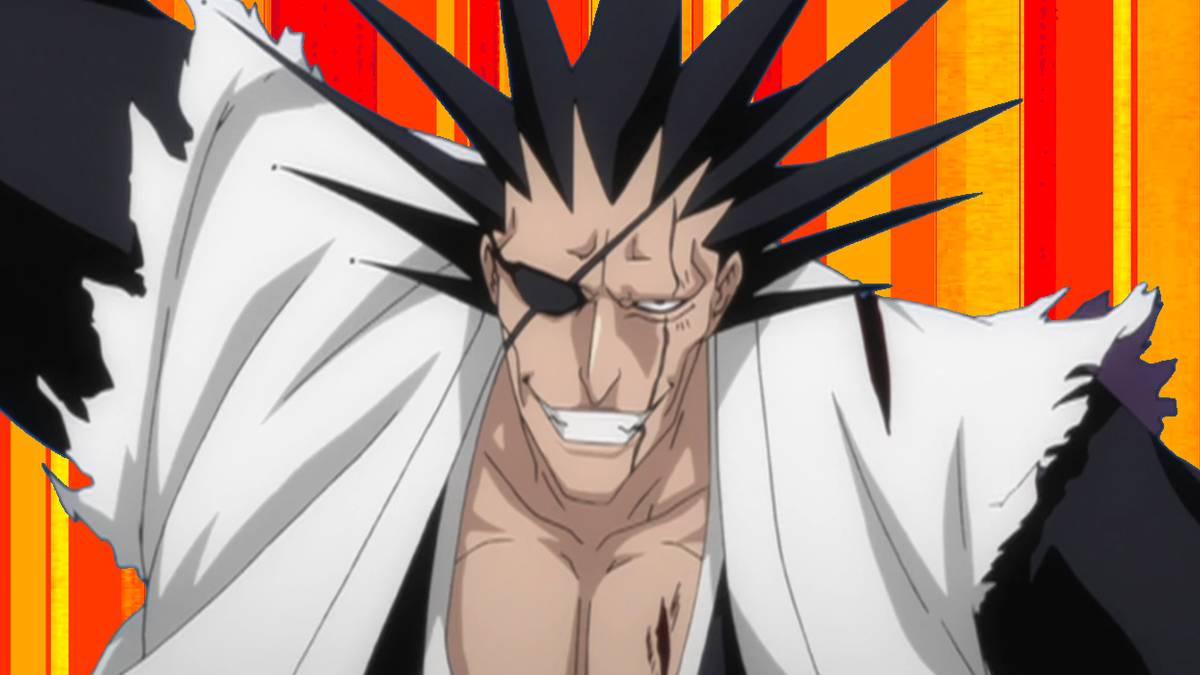
While Kenpachi was always part of the Gotei 13, his early introduction was that of a bloodthirsty antagonist who cared only for the thrill of the kill. Over hundreds of episodes, his bloodlust was channeled into a fierce loyalty to the Soul Society. He evolved from a monster to be feared into one of the strongest shonen protagonists in the war against the Quincies.
5. Piccolo (Dragon Ball Z)
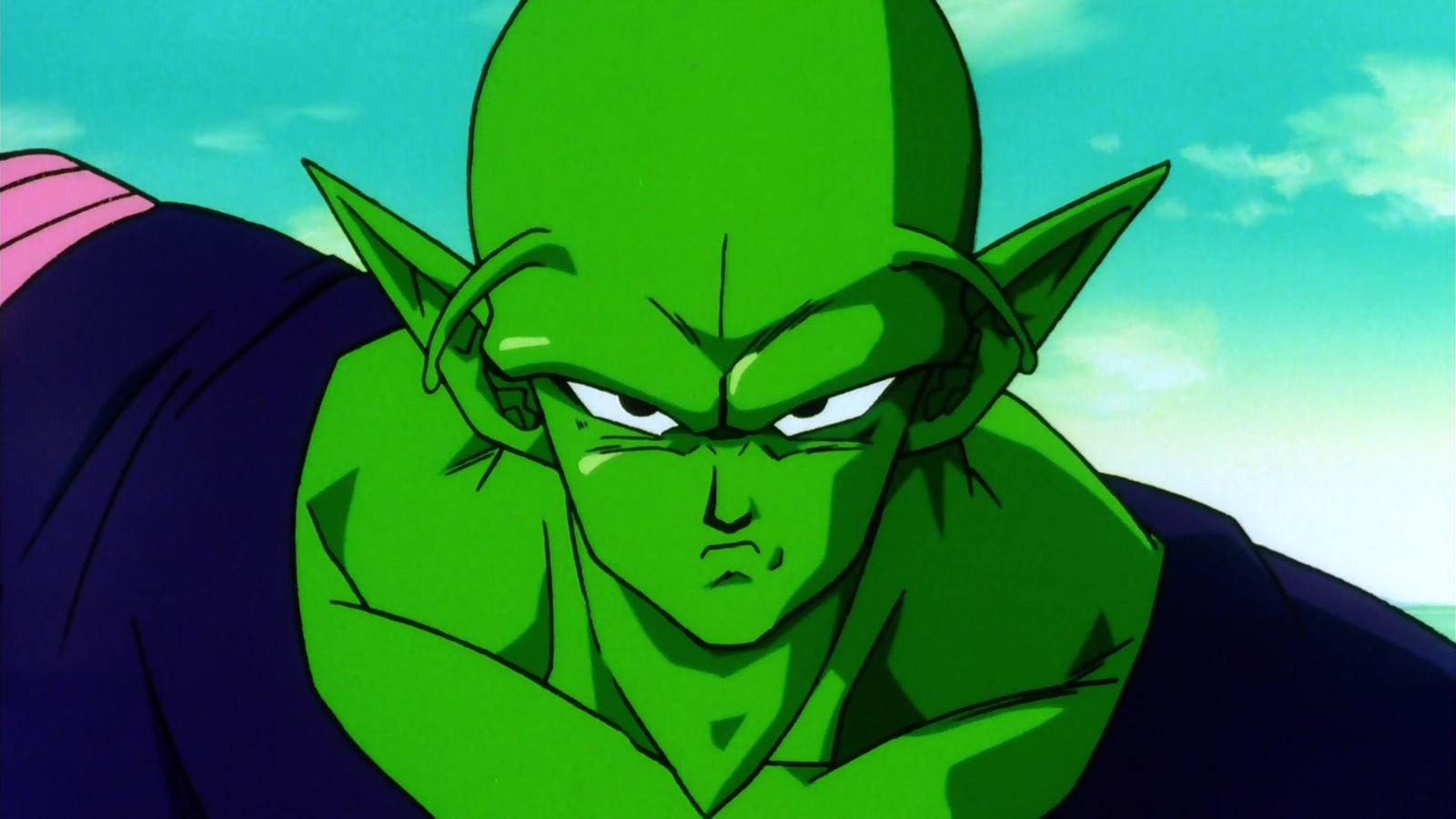
The "Demon King" Piccolo was born solely to kill Goku and conquer Earth. His change began not through a grand epiphany, but through the innocence of a child. Training Gohan forced Piccolo to confront his own humanity. His sacrifice against Nappa remains one of the most defining moments for anime heros in history.
4. Scar (Fullmetal Alchemist: Brotherhood)
.jpg)
Scar was a vengeful serial killer targeting State Alchemists. Driven by the genocide of his people, his "villainy" was understandable but destructive. His journey toward forgiveness and his role in saving the very country that wronged him makes him one of the most influential anime leads ever written.
3. Gaara (Naruto)
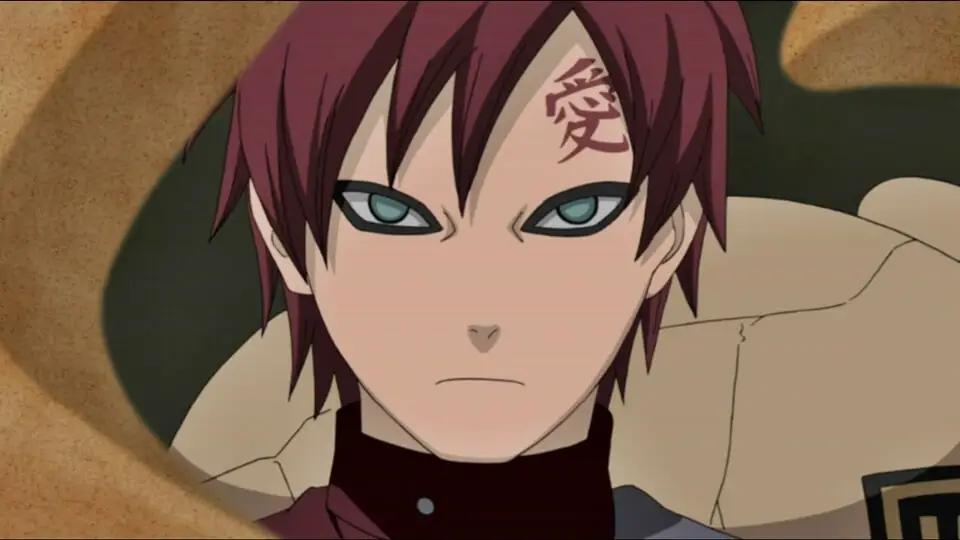
Gaara was the definition of a nightmare—a child assassin who lived only to kill. Naruto’s "Talk no Jutsu" is often joked about, but with Gaara, it facilitated a total societal shift. Gaara’s transformation into the Kazekage and his role as a leader of the Allied Shinobi Forces places him among the best heroic characters of all time.
2. Vegeta (Dragon Ball Z / Super)

The Prince of all Saiyans arrived on Earth to wipe out humanity. Vegeta's redemption is the gold standard for powerful anime warriors. It took decades of story time for him to fully embrace his role as a father and protector. His shift from a mass murderer to a man who fights for his family is the backbone of the Dragon Ball franchise.
1. Zuko (Avatar: The Last Airbender)

While arguably "Western-influenced," Zuko's arc is the blueprint for redemption in the anime-adjacent space. His internal struggle between "honor" and "morality" is perfectly paced. Joining Team Avatar wasn't the end of his journey; it was the beginning of his true life as one of the world's most iconic anime heroes.
Iconic Moments of Transformation for Anime Heroes
Every great redemption arc has a "tipping point." This is the moment where the character chooses the difficult path of heroism over the easy path of villainy. For anime heros like Piccolo, it was jumping in front of a blast to save Gohan. For Vegeta, it was his final atonement against Majin Buu, where he admitted he was fighting for others for the first time.
These moments are often characterized by a loss of ego. Villains are typically driven by selfish desires—power, pride, or revenge. To become top-ranked anime defenders, they must shed those traits. This often happens during a moment of extreme vulnerability, where they realize that their strength is better used to uplift others than to tear them down.
In 2026, these scenes are celebrated for their emotional weight rather than just their "cool" factor. The animation industry has mastered the art of using lighting, music, and voice acting to emphasize the gravity of a character's choice. For more on how these characters are developed, you can explore the archives at Crunchyroll.
The Impact of Redemption on Character Development
Redemption isn't just a plot device; it is a catalyst for the most profound character development in the medium. When a villain becomes one of the anime heros, their entire worldview must be rebuilt. This allows writers to explore themes of guilt, forgiveness, and the legacy of one's actions.
Consider how Gaara’s past as a monster informs his leadership style as Kazekage. He leads with empathy because he knows what it’s like to be without it. This depth makes him a much more influential anime lead than a character who was always "good." Their past mistakes serve as a constant reminder of why they must continue to fight for justice.
- Internal Conflict: Redeemed heroes often doubt their own worthiness, leading to relatable struggles with self-esteem.
- Unique Perspectives: Former villains understand the enemy better than anyone, providing tactical advantages for powerful anime warriors.
- Complex Relationships: The dynamic between a reformed villain and the heroes they once hurt creates intense, gripping drama.
Why Fans Love Complex Anime Heroes and Villains
The popularity of redeemed characters stems from their relatability. While most fans aren't trying to conquer the world, many have experienced the feeling of making a mistake and wanting to do better. These anime heros provide a sense of hope—the idea that our past does not have to define our future.
Furthermore, these characters often retain some of their "edginess," making them stand out against more traditional strongest shonen protagonists. A hero who is willing to do the "dirty work" or who has a cynical outlook can be a refreshing change of pace. This complexity is why characters like Vegeta or Kenpachi Zaraki often top popularity polls. For a deep dive into character archetypes, check out the entries on Wikipedia.
As we move further into 2026, the demand for "morally grey" storytelling continues to grow. Fans want to see characters who are tested, who fail, and who have to work twice as hard to be seen as best heroic characters.
Conclusion: The Lasting Legacy of Redeemed Heroes
The journey from villain to hero is one of the most powerful narratives an author can tell. It transforms powerful anime warriors into symbols of hope and change. By looking at the iconic anime heroes on this list, we see a recurring theme: true strength is found in the courage to change one's mind and heart.
Whether it’s the galactic-scale redemption of Vegeta or the quiet, personal growth of Scar, these characters have left an indelible mark on the industry. They remind us that the title of "hero" isn't just something you are; it's something you earn every single day through your actions.
As long as there are stories to tell, there will be anime heros who rose from the ashes of their own villainy. Their legacy continues to inspire fans and creators alike, ensuring that the most powerful moments remain a staple of the anime world for years to come.









// Comments