
Introduction to Mikasa Ackerman’s Post-War Fate
The conclusion of Hajime Isayama’s epic series left fans with many questions regarding the survival and future of its core cast. Among them, Mikasa Ackerman post-war fate remains one of the most discussed topics in the anime community. As a character defined by her devotion to Eren Yeager, her life after his death serves as a poignant character epilogue, showing her transition from a protector to a woman living in a world finally free from the terror of Titans. This guide explores the details of her journey following the Battle of Heaven and Earth.
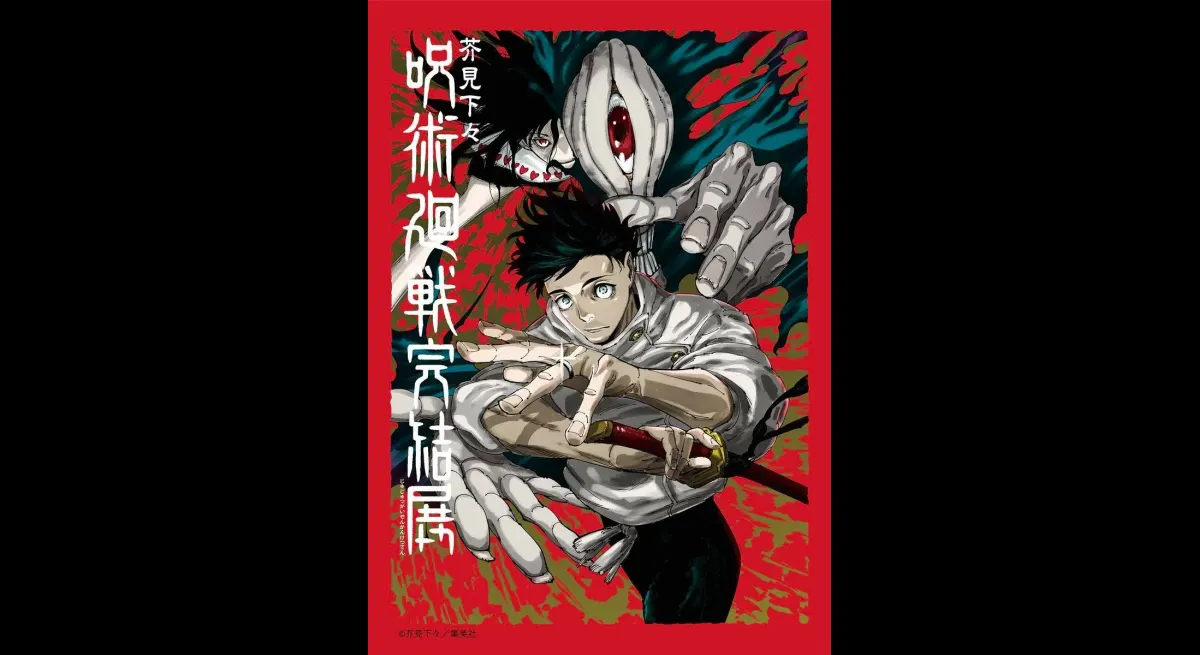 Also ReadGege Akutami Returns for Jujutsu Kaisen Final Exhibition Starting Dec 25
Attack on Titan Ending Explained: The Final Battle
To understand Mikasa’s future, we must look at the Attack on Titan ending explained through the lens of the final confrontation. During the Rumbling, Mikasa was forced to make the ultimate sacrifice. Entering the mouth of Eren’s Colossal Titan form, she decapitated the man she loved to end the Titan curse. This act was the key to Ymir Fritz’s freedom, as Ymir saw in Mikasa the strength to let go of a toxic attachment for the greater good. Following the battle, the Titan powers vanished from the world, leaving Mikasa to carry Eren's remains back to their childhood home in Shiganshina for a private burial.
Mikasa’s Life After the War: A Character Epilogue
The Mikasa Ackerman character epilogue depicts a life of quiet reflection and peace. After burying Eren under the tree where they used to nap as children, Mikasa chose to remain on Paradis Island. While her friends like Armin, Jean, and Connie became global diplomats traveling the world to negotiate peace, Mikasa lived a more secluded life. She was often seen visiting the grave site, maintaining a connection to her past while the world around her began the long process of rebuilding. Despite the trauma of the war, she was finally able to live the "peaceful life" that Eren had envisioned for her.
 Also ReadMost Viewed Anime of All Time?
The Mystery of Mikasa’s Family and Husband
One of the most debated aspects of the finale is the Mikasa Ackerman family and husband. The end credits of the anime and the additional manga pages show a montage of Mikasa’s life as the years pass. She is seen visiting Eren's grave accompanied by a man and a child. While the series never explicitly names him, visual clues—such as the man's hair and stature—have led many fans to believe she eventually married Jean Kirstein. Recent information from compilation film screenings has further supported this, confirming that she lived to see her children and grandchildren grow, suggesting she found happiness and companionship in her later years.
Symbolic Significance: The Iconic Scarf and Burial
The Mikasa burial and scarf serve as the final symbols of her character arc. Throughout the series, the red scarf represented the bond and "warmth" Eren provided her. In the final chapters, even as an elderly woman, Mikasa is shown still wearing the scarf, proving that while she moved on with her life, she never let go of the love that shaped her. When she eventually passed away of old age, she was buried next to Eren under the tree. This circular ending emphasizes that her devotion remained a core part of her identity until the very end, even as she successfully integrated into a post-Titan society.
Final Chapter Spoilers and Lasting Legacy
These Attack on Titan final chapter spoilers reveal a bittersweet legacy. Mikasa Ackerman’s journey from a traumatized child to the savior of humanity is a testament to her resilience. Her story concludes with the realization that while peace is temporary—as shown by the futuristic war that eventually destroys Shiganshina centuries later—the personal connections and lives lived in the interim are what truly matter. Mikasa’s legacy is not just her prowess as a soldier, but her ability to find peace and build a family in a world that once offered her nothing but cruelty.
















// Comments