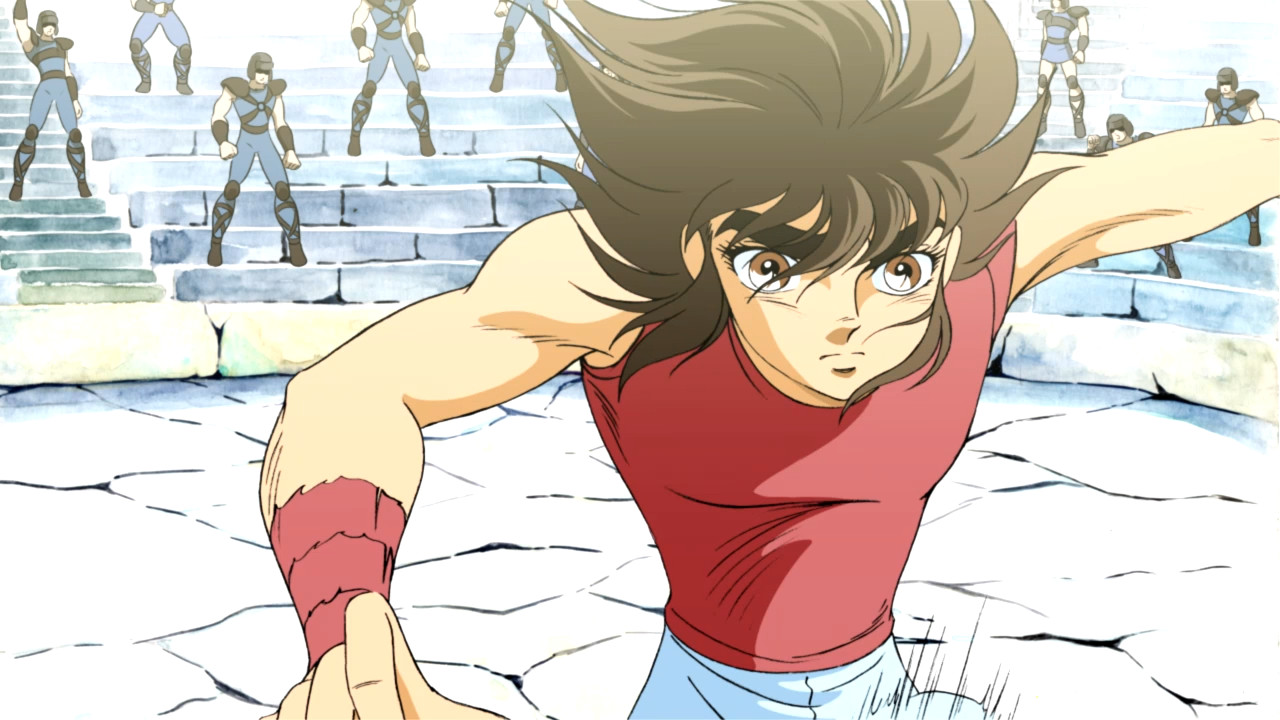
Saint Seiya Tenkai-hen: The Epic Heaven Arc Explained
Few moments in anime history carry the emotional weight of Saint Seiya Tenkai-hen — the Heaven Arc that brings the legendary Saint Seiya saga to its long-awaited conclusion. After years of brutal battles, sacrifices, and impossible odds, the Bronze Saints finally face their ultimate enemy in a confrontation that transcends gods, death, and the very fabric of the cosmos. If you've followed Seiya and his companions through the Sanctuary and Hades arcs, this final chapter delivers everything the journey has been building toward.
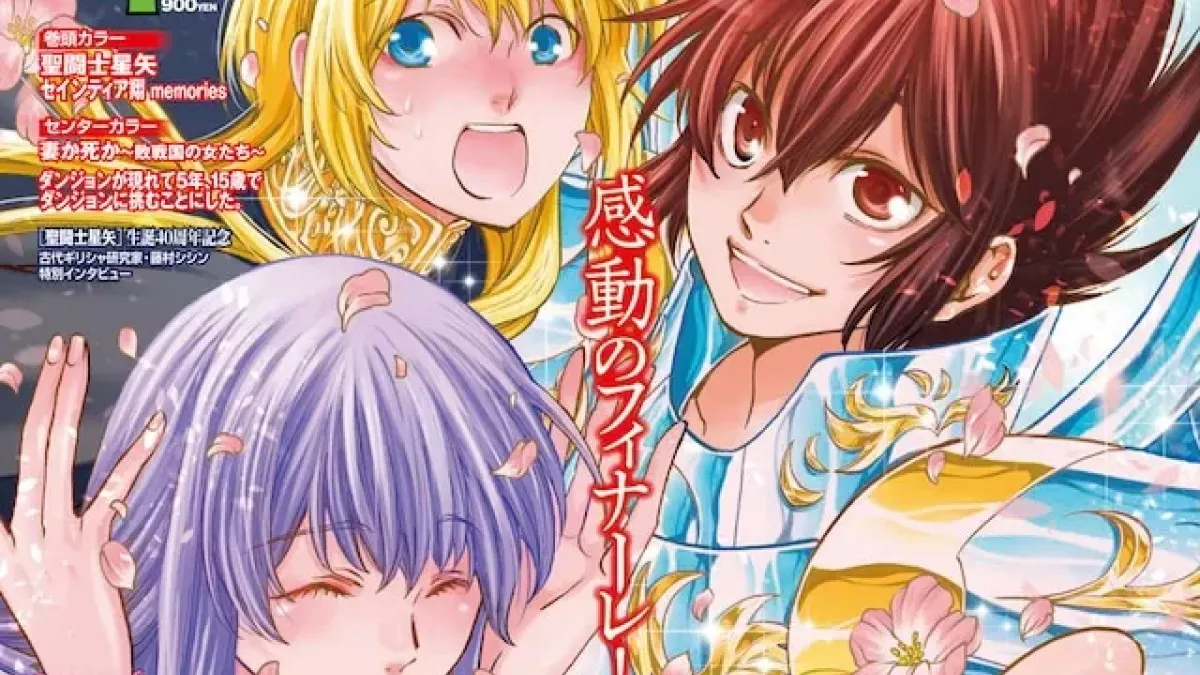
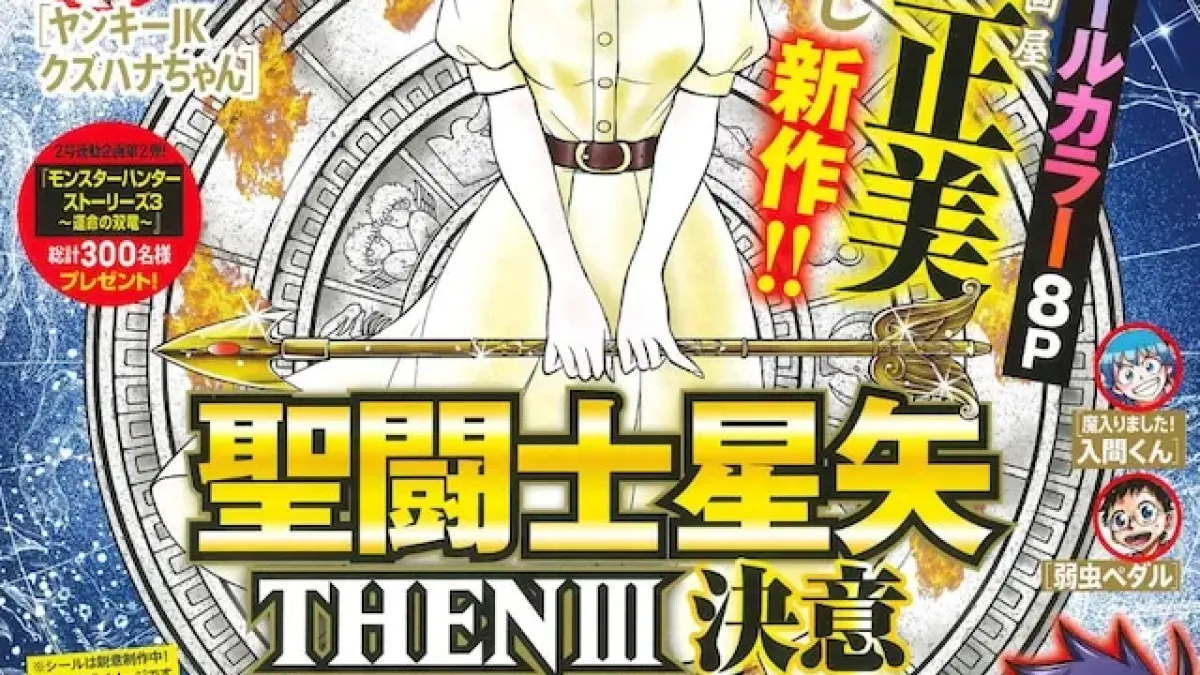 Also ReadNew "Saint Seiya: Heaven Edition" Short Story by Masami Kurumada to Debut in May
What Is Saint Seiya Tenkai-hen?
Saint Seiya Tenkai-hen (聖闘士星矢 天界篇), officially subtitled Overture in its theatrical release, is the concluding chapter of the Saint Seiya Hades Chapter — the grand storyline that began with the Sanctuary arc of the original 1986 anime series. Based on Masami Kurumada's original manga, Tenkai-hen takes the conflict beyond the underworld and into Elysion — the paradise realm ruled by Hypnos and Thanatos, and ultimately by Hades himself in his true divine form.
The Heaven Arc was released as a theatrical film in 2004 in Japan, produced by Toei Animation. It serves as the epilogue and climax to the three-part Hades Chapter OVA series, following the Sanctuary and Inferno chapters released between 2002 and 2003.
You can explore detailed episode guides, character listings, and fan ratings for the full Hades Chapter saga at MyAnimeList, one of the most comprehensive anime databases available.
The Story: Into Elysion — Beyond Death Itself
The Road to the Heaven Arc
To understand Saint Seiya Tenkai-hen, you need to appreciate what came before it. The Saint Seiya Elysion arc — the final chapter of the Hades Chapter OVA — brings Seiya and the surviving Bronze Saints into the most sacred and dangerous territory they've ever entered: Elysion, the divine paradise that exists beyond even the underworld.
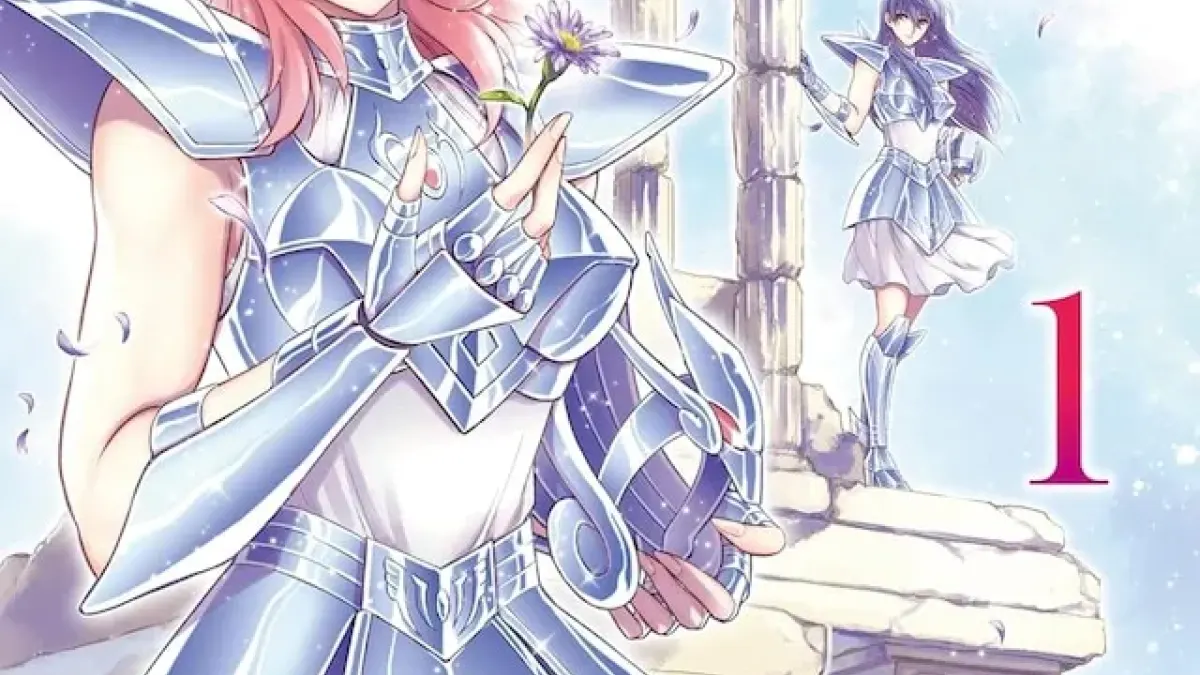 Also Read"Extra Edition of Saintia Sho Volume 1"
Unlike every battlefield they've faced before, Elysion isn't just physically deadly — it's a realm where gods hold absolute dominion and where the very concept of a human Saint having power is almost a contradiction. The Bronze Saints arrive broken, exhausted, and outnumbered. And yet they press forward.
Hypnos and Thanatos: The Twin Gods of Elysion
Before reaching Hades in his true form, the Saints must confront two of the most powerful divine beings in the Saint Seiya universe — Hypnos (the god of sleep) and Thanatos (the god of death). These twin gods serve as guardians of Elysion and represent a level of power that makes even Gold Saints seem like stepping stones.
The battles in this segment are among the most visually and emotionally striking in the entire franchise. Watching characters who have already died, suffered, and sacrificed everything push beyond the limits of what gods deem possible is at the heart of what makes Saint Seiya special — and Tenkai-hen delivers it in its purest form.
Seiya vs. Hades: The Final Confrontation
At the core of Saint Seiya Tenkai-hen is the culminating clash between Seiya and Hades — one of the most anticipated showdowns in the Knights of the Zodiac franchise. Hades, now revealed in his true divine body rather than his human vessel, represents a power so immense that conventional Cosmo cannot hope to stand against it.
What unfolds is a battle that is as much about willpower, love, and the unbreakable bond between Seiya and Athena as it is about cosmic energy and celestial armor. The resolution ties together themes that Masami Kurumada wove through the entire Saint Seiya saga — the power of human will, the cost of devotion, and the meaning of true sacrifice.
The Saint Seiya Heaven Arc in Context: Why It Matters
The Conclusion Fans Waited Years For
The Saint Seiya final arc carried an enormous burden of expectation. The original 1986 anime series had been one of the defining shonen action shows of its era, and the Hades Chapter OVA series — starting in 2002 — was a long-awaited return to the source material that the original TV run had never properly adapted.
By the time Tenkai-hen arrived in 2004, fans had been waiting nearly two decades for a proper conclusion. The theatrical format, upgraded animation quality, and orchestral score all reflected Toei Animation's intent to give the saga the ending it deserved.
Animation and Production Quality
One of the most immediately striking aspects of Saint Seiya Tenkai-hen compared to earlier entries in the franchise is its significantly elevated production quality. The theatrical release benefited from a full film budget, resulting in smoother animation, more detailed armor designs, and battle sequences with a visual scale befitting the cosmic stakes of the story.
The art direction in Elysion — all golden light, white marble, and divine grandeur — creates a visual atmosphere completely unlike the dark underworld settings of the Hades Chapter OVA that preceded it.
Key Characters in Saint Seiya Tenkai-hen
The Bronze Saints final battle in Tenkai-hen features a core cast that fans of the franchise will know intimately:
- Pegasus Seiya — The protagonist and heart of the series, whose Cosmo and determination define the entire conflict
- Dragon Shiryu — Steadfast and powerful, contributing critical moments in the Elysion battles
- Cygnus Hyoga — The ice-wielding Saint whose composure masks fierce resolve
- Andromeda Shun — Gentle in nature but extraordinary in power, particularly relevant given his connection to Hades through earlier arcs
- Phoenix Ikki — The lone wolf whose fiery independence makes him one of the series' most iconic figures
- Athena (Saori Kido) — The divine anchor of the entire story, whose fate drives Seiya's every action
- Hypnos and Thanatos — The primary antagonist gods of Elysion, whose power forces the Saints to transcend every previous limit
Differences Between the Manga and the Tenkai-hen Film
It's worth noting that Saint Seiya Tenkai-hen diverges from Masami Kurumada's original manga in some significant ways. The theatrical film presents a slightly different conclusion to the Elysion conflict compared to the manga's version, with certain character moments and resolutions handled differently.
For fans who want to experience Kurumada's definitive vision, the original Masami Kurumada manga remains essential reading alongside the anime adaptation. A complete overview of the manga's storyline and its differences from the various anime adaptations can be explored through Anime-Planet, which offers both series details and community discussion.
The Legacy of Saint Seiya Tenkai-hen
The Saint Seiya OVA series that culminates in Tenkai-hen helped introduce a new generation of fans to the franchise while rewarding longtime devotees with the high-quality adaptation the Hades arc had always deserved. Its release revitalized interest in the franchise and laid groundwork for subsequent projects, including Saint Seiya: Soul of Gold and the later Netflix CG adaptation.
For a comprehensive breakdown of the full franchise timeline, characters, and media, the official Toei Animation resource pages offer authoritative information directly from the studio behind the series.
Quick Facts
- Title: Saint Seiya Tenkai-hen (聖闘士星矢 天界篇 ~Overture~)
- Type: Theatrical Film
- Release Date: February 14, 2004 (Japan)
- Studio: Toei Animation
- Based On: Masami Kurumada's Saint Seiya manga
- Runtime: Approximately 90 minutes
- Part Of: Saint Seiya Hades Chapter series
Conclusion
Saint Seiya Tenkai-hen stands as a fitting and emotionally powerful conclusion to one of anime's great sagas. The Heaven Arc delivers breathtaking battles, meaningful character moments, and the kind of cosmic stakes that only the Saint Seiya universe can truly pull off. Whether you're a lifelong fan finally revisiting the ending or a newer viewer working through the Hades Chapter for the first time, Tenkai-hen is the climax the Bronze Saints — and their fans — truly earned. In a franchise built on sacrifice and the burning power of human will, its conclusion burns brighter than any star.





// Comments